North Camp Zebra
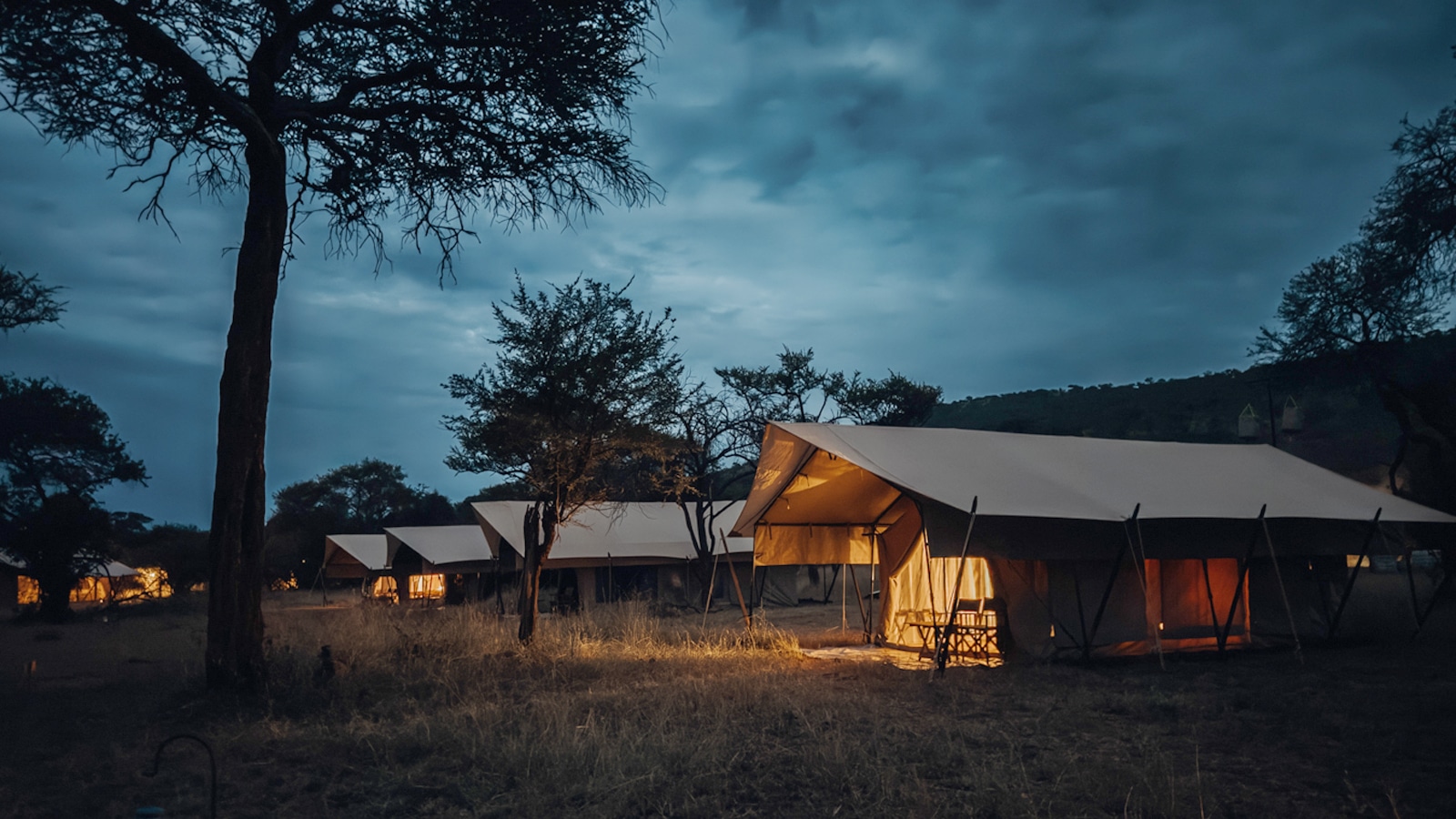
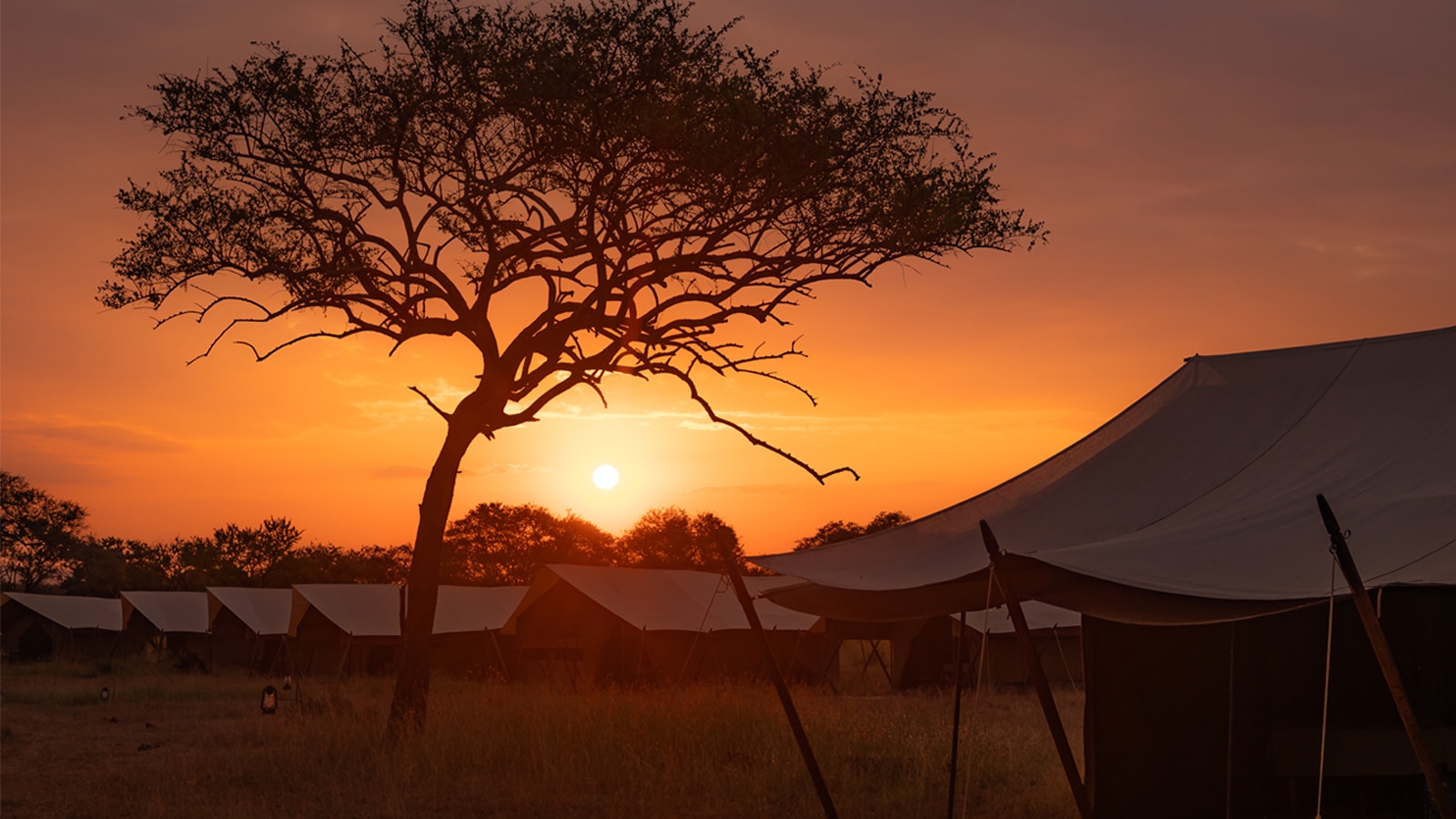
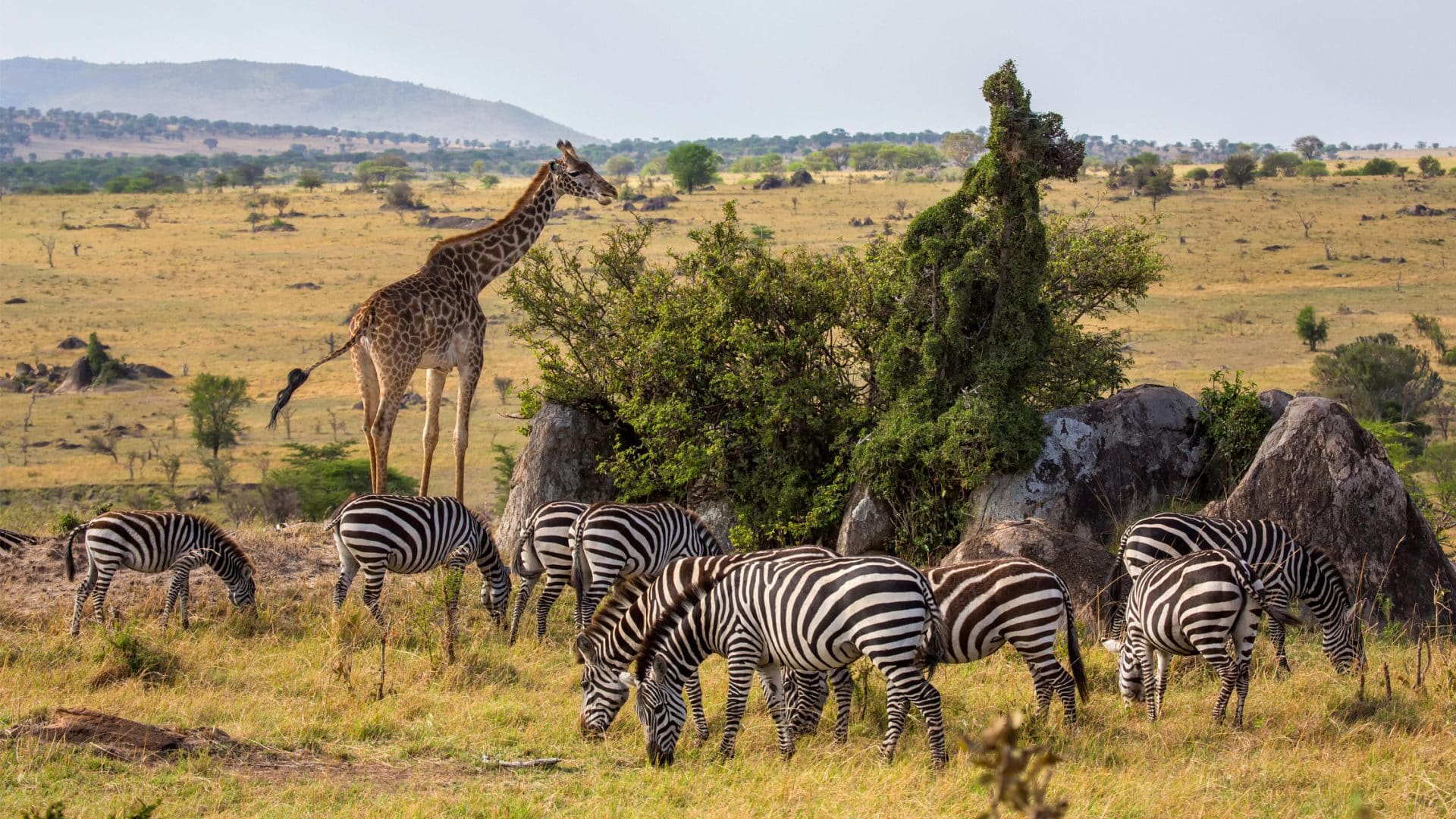
Follow the herds to Camp Zebra, an intimate 12-tent seasonal camp in Kogatende, near the Mara River. Named for the zebra that shadow the wildebeest, it moves with the Great Migration, occupying the heart of the dry-season crossing zone from July through November.
Details
Named After the Migration’s Loyal Companion
Camp Zebra takes its name from the zebra herds that travel alongside the wildebeest on their famous annual loop. Like its namesake, the camp follows the migration, and from July 1 through November 30 that means Kogatende in the Northern Serengeti, close to the Mara River crossing points. Rather than committing to one patch of ground, Camp Zebra commits to being wherever the herds are, and it was built to be packed up and moved quickly whenever the wildebeest shift.
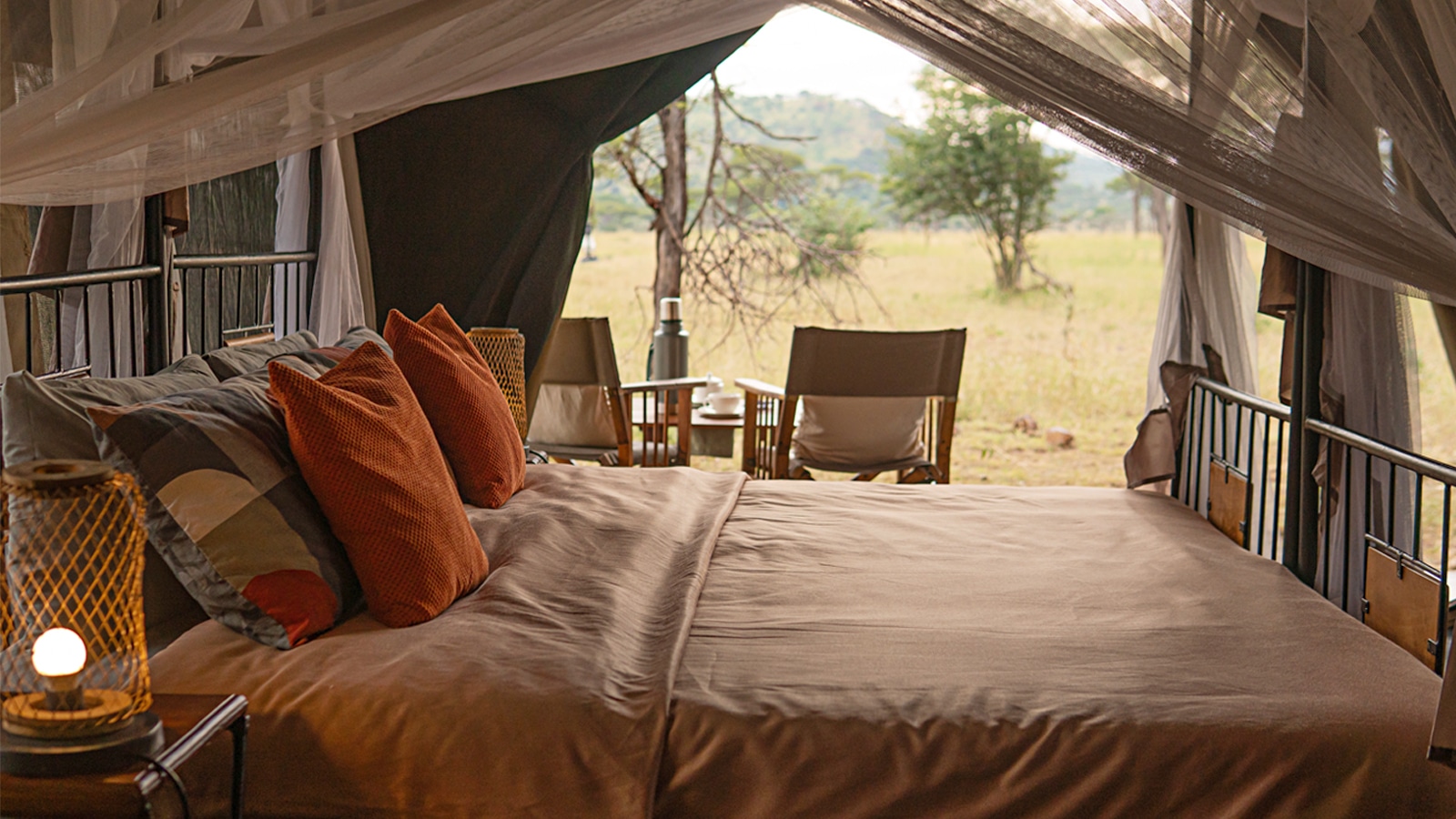
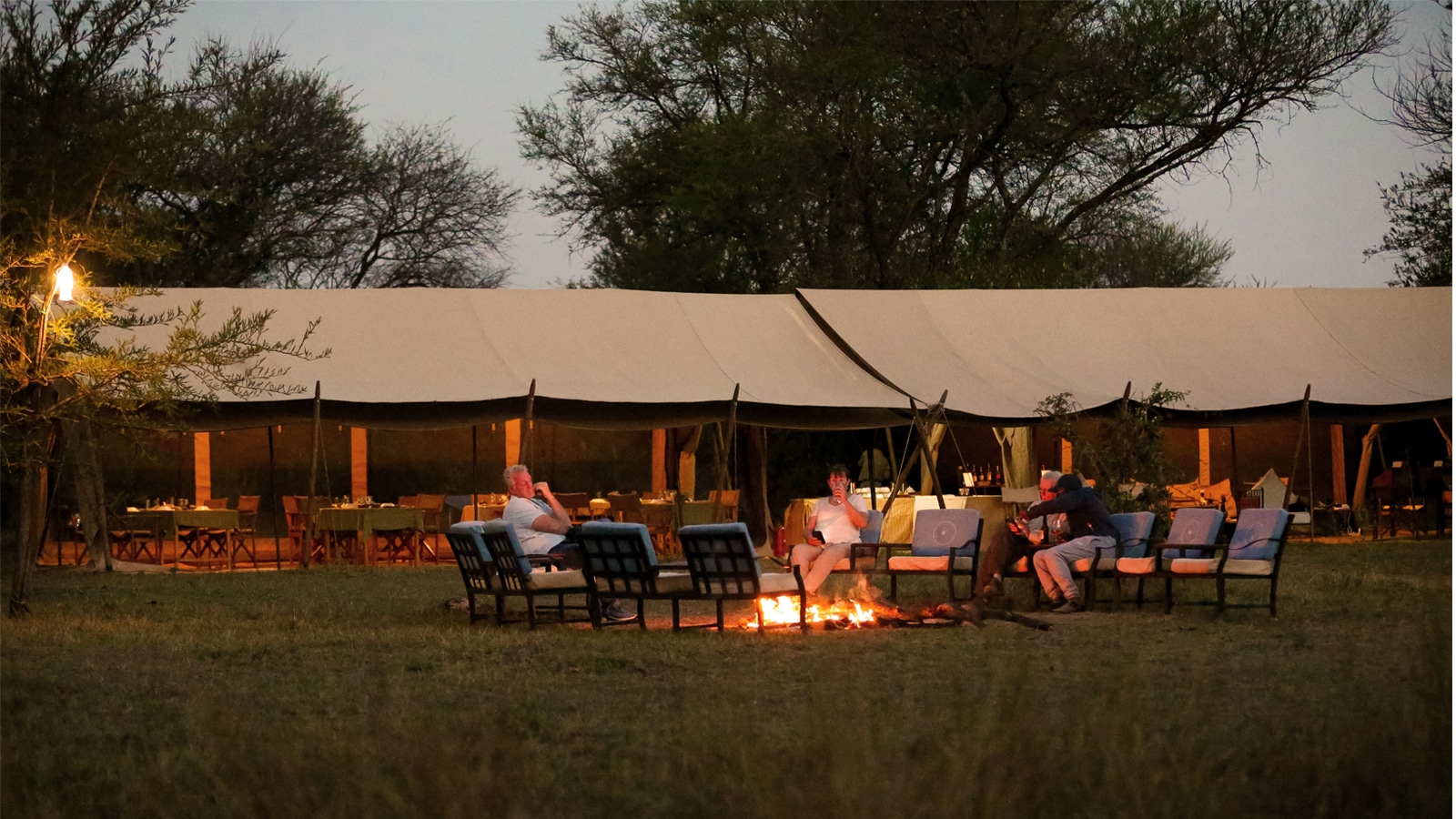
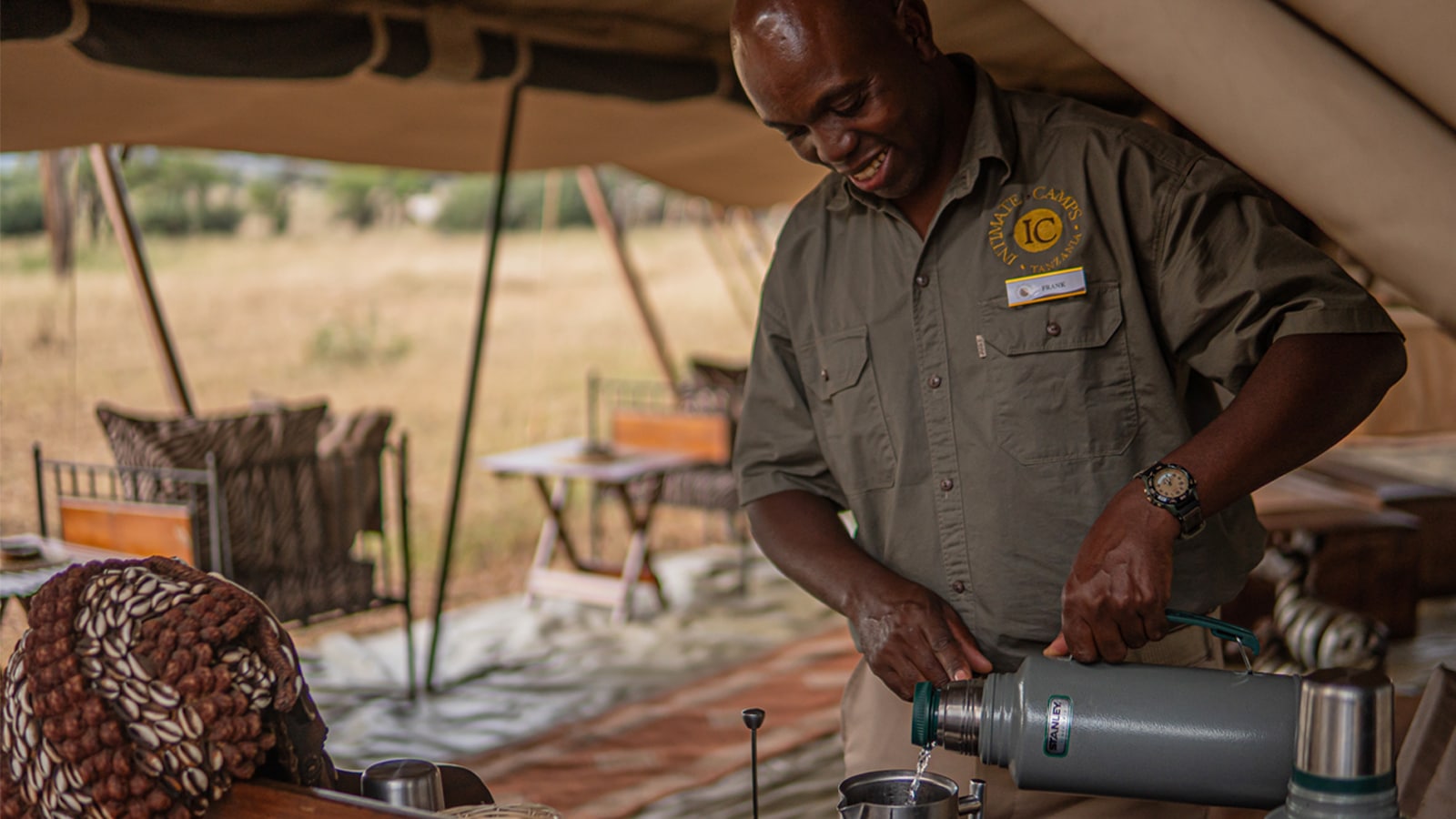
This is classic, comfortable glamping rather than a design showpiece, and it is consistently one of the Serengeti’s best-reviewed camps for exactly that reason. The tents are spacious and well kept, the beds are excellent, the showers are hot, and the staff have a knack for the small things: cool towels and fresh juice on arrival, a hot water bottle tucked into the foot of your bed at turndown, an escort back to your tent after dinner. The bar is all-inclusive, the lounge and dining tents are new, and the campfire is where most evenings end.
Intimate Places has run seasonal camps on the Northern Circuit for close to two decades. That long relationship with the park authorities consistently earns Camp Zebra one of the best seasonal campsites in Kogatende, which is why wildlife so often wanders straight through camp.
The Kogatende Crossing Zone
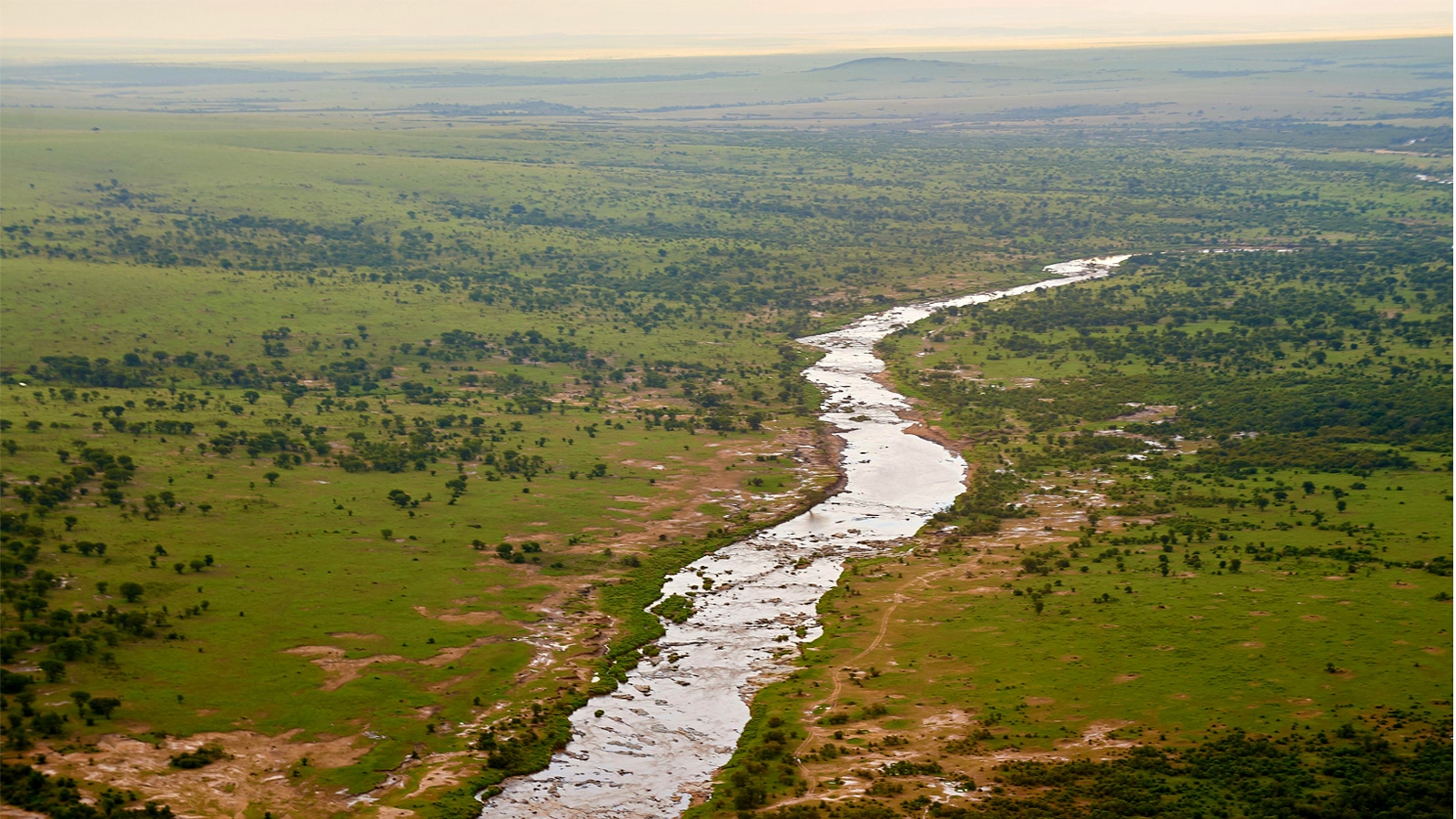
Camp Zebra North sets up on the south bank of the Mara River in the Kogatende area, which puts the main crossing points within a short drive rather than a long morning’s haul. The site is chosen for its proximity to the river and for the quality of the game viewing immediately around camp.
- Minutes from the River: The Kogatende stretch holds the majority of the well-known crossing points on the Tanzanian side. When the herds build up on the banks, your guide can be there quickly, and return for lunch in camp if the wildebeest are taking their time.
- A Hub for the Whole North: From Kogatende the Lamai Triangle lies directly across the river, Wogakuria’s kopjes and open plains are just to the south, and Bologonja Springs is an easy half-day excursion to the east.
- Fewer Vehicles: Roughly 30 miles of the Mara River lie inside the Serengeti. While the Kenyan side of the border often sees heavy traffic, the Tanzanian bank remains comparatively quiet.
- The Camp Moves On: At the end of November the camp packs up and relocates to Ndutu in the Southern Serengeti for the green season. Exact move dates can shift slightly depending on where the herds are.
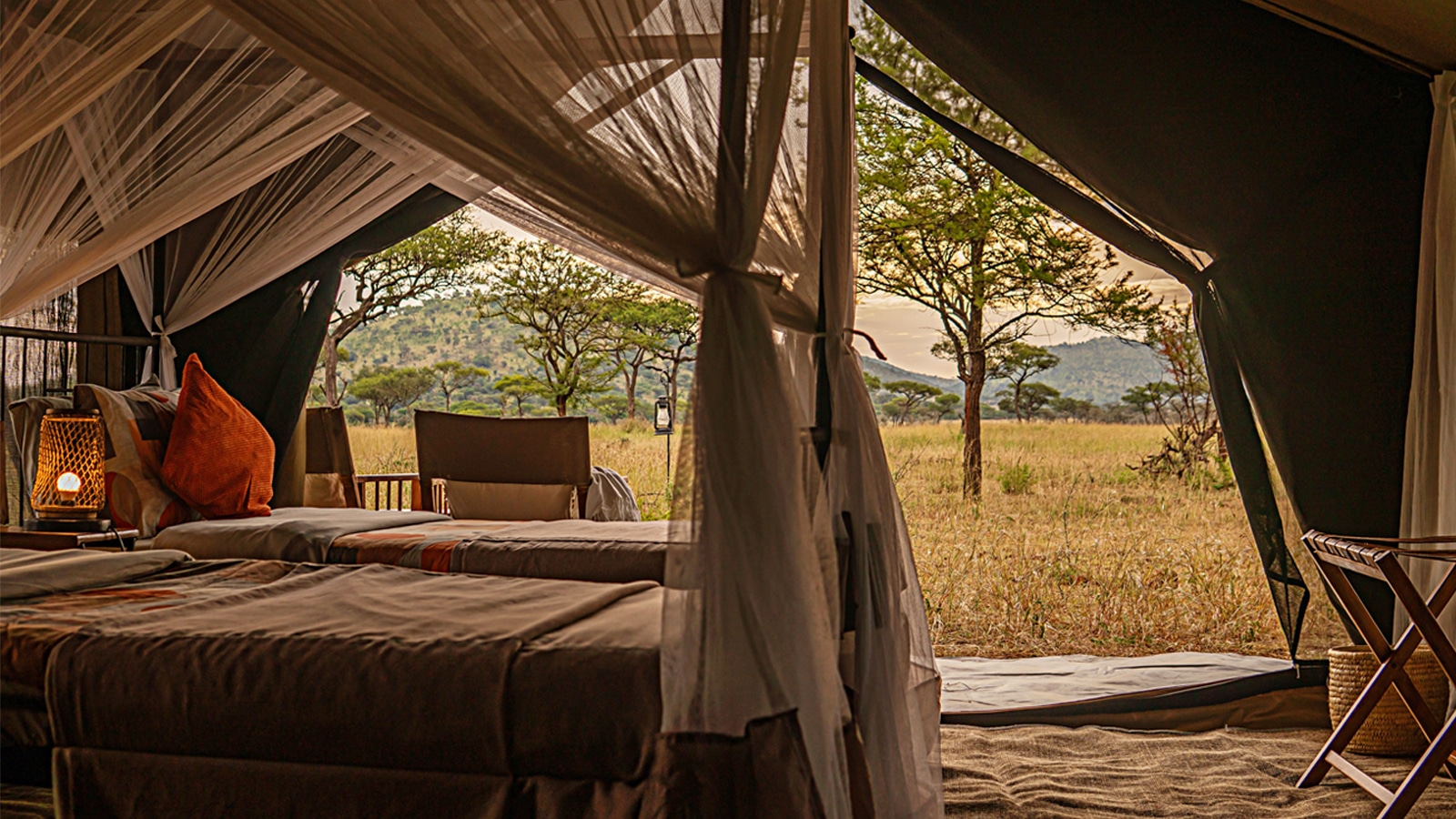
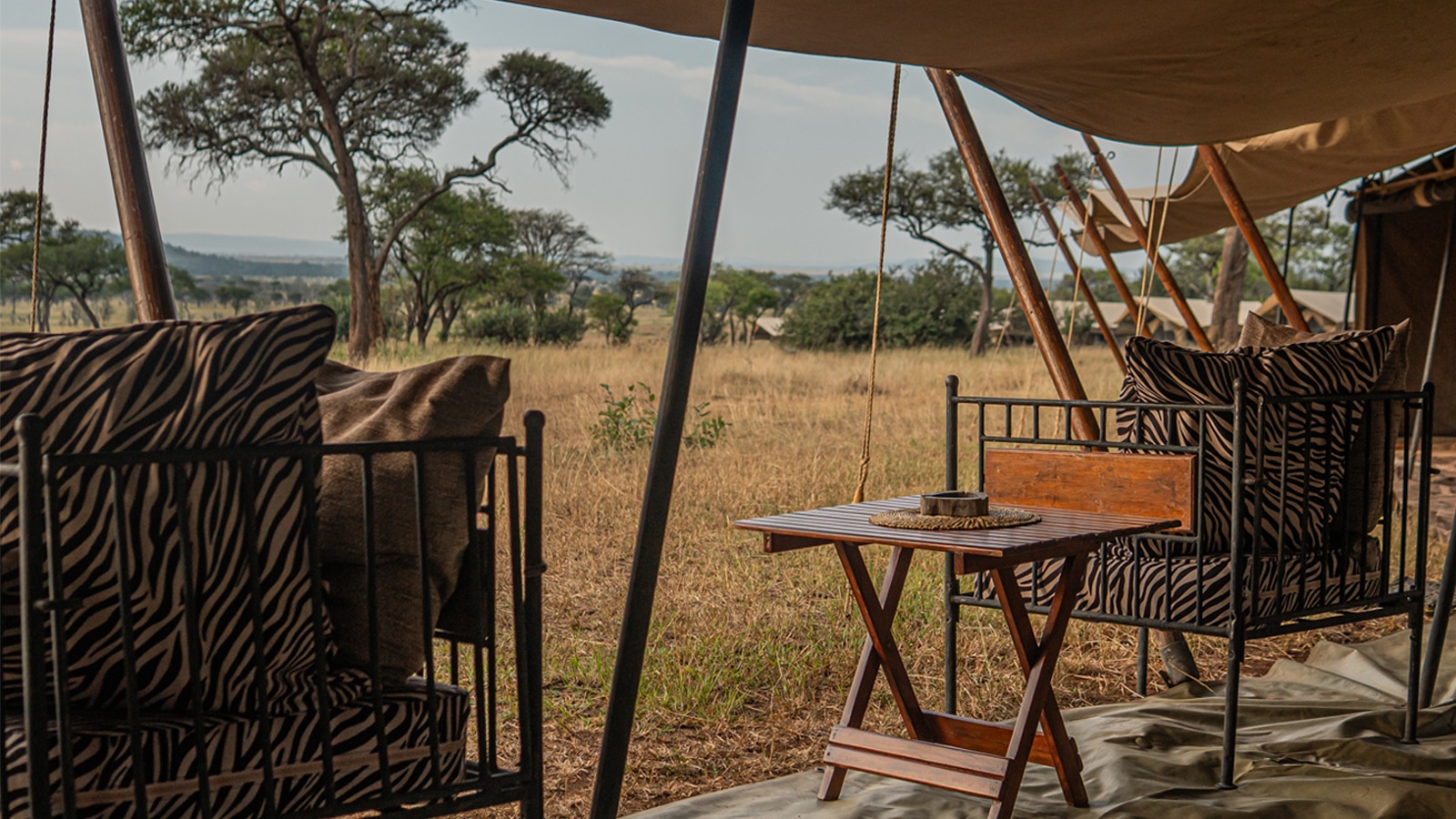
Because the camp is pitched on open national park ground rather than fenced, the wildlife does not treat it as a boundary. Giraffe and elephant regularly stroll between the tents, and the roar of lions after dark is a frequent soundtrack.
The Dry Season North
Camp Zebra North sits at the center of the Serengeti’s most dramatic dry season game viewing, with four distinct regions within easy reach and a fifth on the way out.
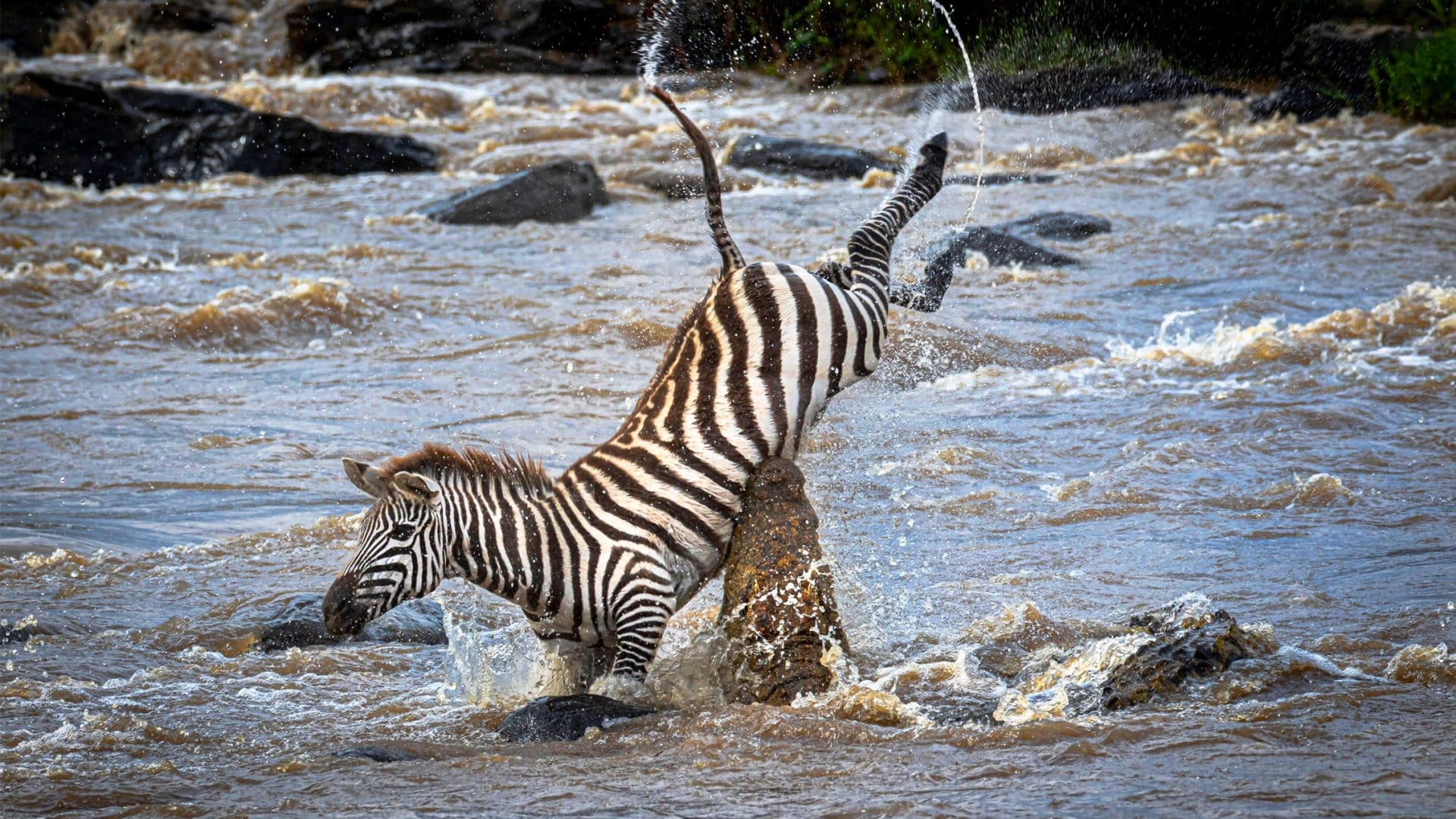
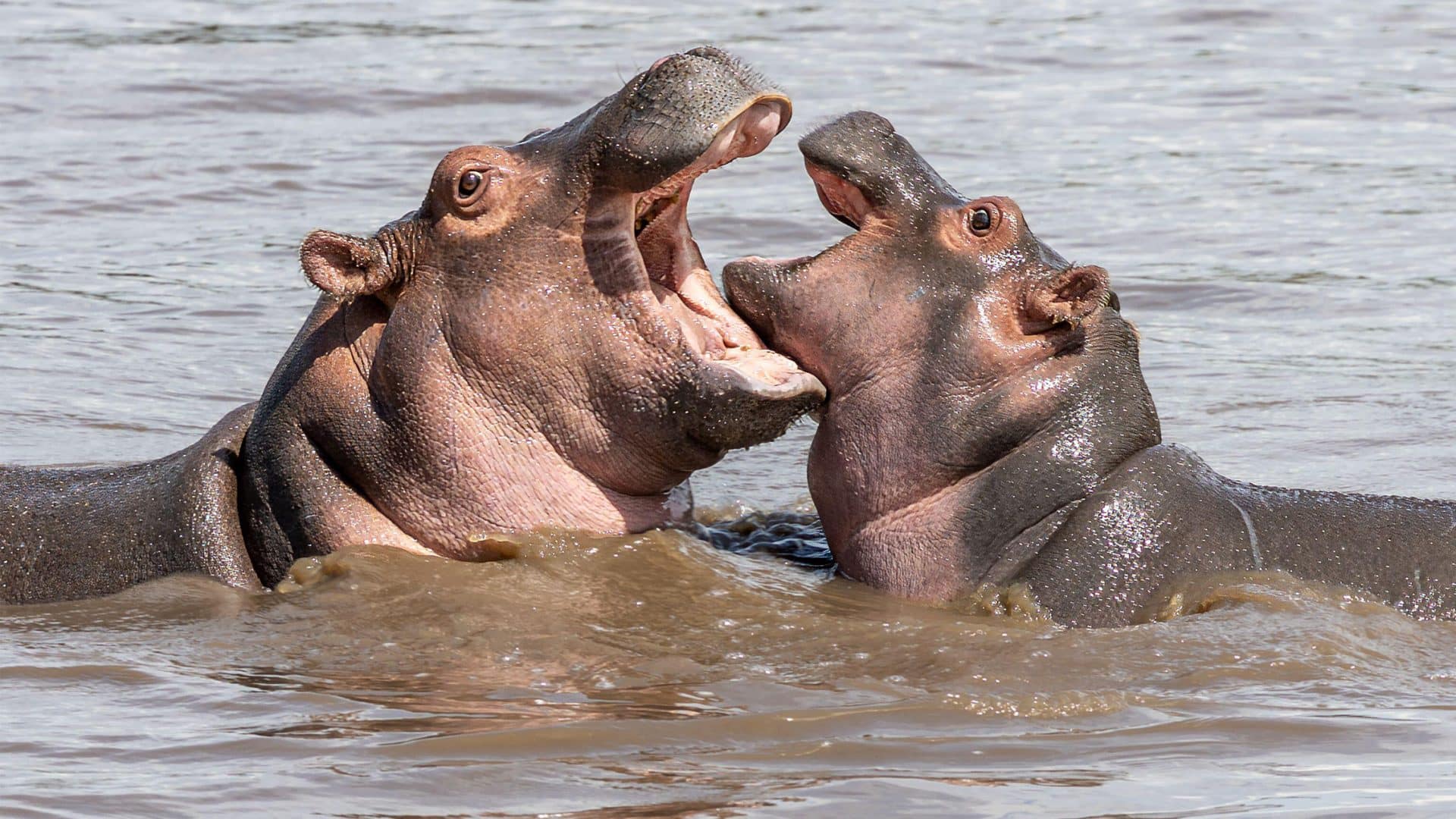
- The Mara River: This is the stage for the Great Migration’s most harrowing chapter. From July through November the herds mass on the banks, sometimes pacing for days before a single animal takes the plunge and the whole column follows in a churning stampede. Nile crocodiles, the largest in the world, wait in the current and feed only once or twice a year during these crossings. About a mile east of Kogatende the river forms an oxbow where pods of 50 or more hippos huddle together. Lion and leopard are abundant along the river but tend to be more secretive here than in the busier central Serengeti. The Mara is also one of the few places in the park where walking is permitted under the protection of an armed ranger, so you can step onto the sandbanks to photograph the hippos at eye level.
- The Lamai Triangle: Just across the river from camp lies a 300-square-mile wedge of rolling red oat grassland between the Mara and the Kenyan border. Research by the Serengeti Research Institute suggests that only 15 to 35 percent of the wildebeest actually cross into Kenya during the dry season; the rest spend those months here. The result is Masai Mara scale game viewing without the Masai Mara crowds. Lamai is arguably the best place in East Africa to see the giant eland, a 2,000-pound antelope that can still clear a 10-foot fence from a standstill, along with resident ostrich, topi, buffalo, elephant, and giraffe. The lions and cheetahs here are well fed and relaxed after months of following the herds.
- Wogakuria: South of camp, the acacia woodlands give way to broad-leafed Terminalia forest and then open onto rolling plains studded with 300-foot granite kopjes. This is the stronghold of the cheetah in the north, with fewer lions and hyenas to compete with and open ground to run on. Wogakuria is also home to Tanzania’s only population of the oribi, a 30-pound dwarf antelope found in the highest density ever recorded in Africa, and the kopjes are the place to watch klipspringer bounding between boulders. Leopard sightings are consistent, and old bachelor buffalo bulls favor the area.
- Bologonja Springs: To the east, a clear, cool stream bubbles out of the ground and winds through a vine-hung pocket of forest before joining the Mara. The springs draw species rarely seen on the open plains: mountain reedbuck, bushbuck, and the little steenbok with its black-smudged nose. Birders come for kingfishers, hoopoes, rollers, and crowned cranes. A few miles downstream, the Larelemangi salt lick is a 1.5-acre patch of bare, wet earth that pulls in buffalo herds sometimes numbering over 1,000, along with elephant. Vervet monkeys and baboons in the canopy often give early warning of a passing leopard.
- Lobo Valley (Full Day or En Route): Lobo is the Big Cat Capital of the North Serengeti and the one place in the region where lion, leopard, and cheetah are regularly seen on a single drive. The Lobo pride is the second largest in the Serengeti at around 26 animals, often found sprawled across the granite kopjes, which are among the oldest rock formations on Earth at two to three million years. Yellow-barked acacias along Lobo Springs are prime leopard country, and the valley holds the Serengeti’s largest concentration of elephants. From Camp Zebra, Lobo makes an excellent full-day excursion with a picnic lunch, and it is the route we normally take when game driving south from camp to your next lodge in the Central Serengeti, so the transfer day becomes one of the best game drives of the trip.
In Camp
Giraffe browsing between the tents, elephants passing through at breakfast, and lions found within a few hundred yards of camp on the morning drive are all regular guest reports. Birdlife around camp is excellent.
Classic Canvas, Done Well
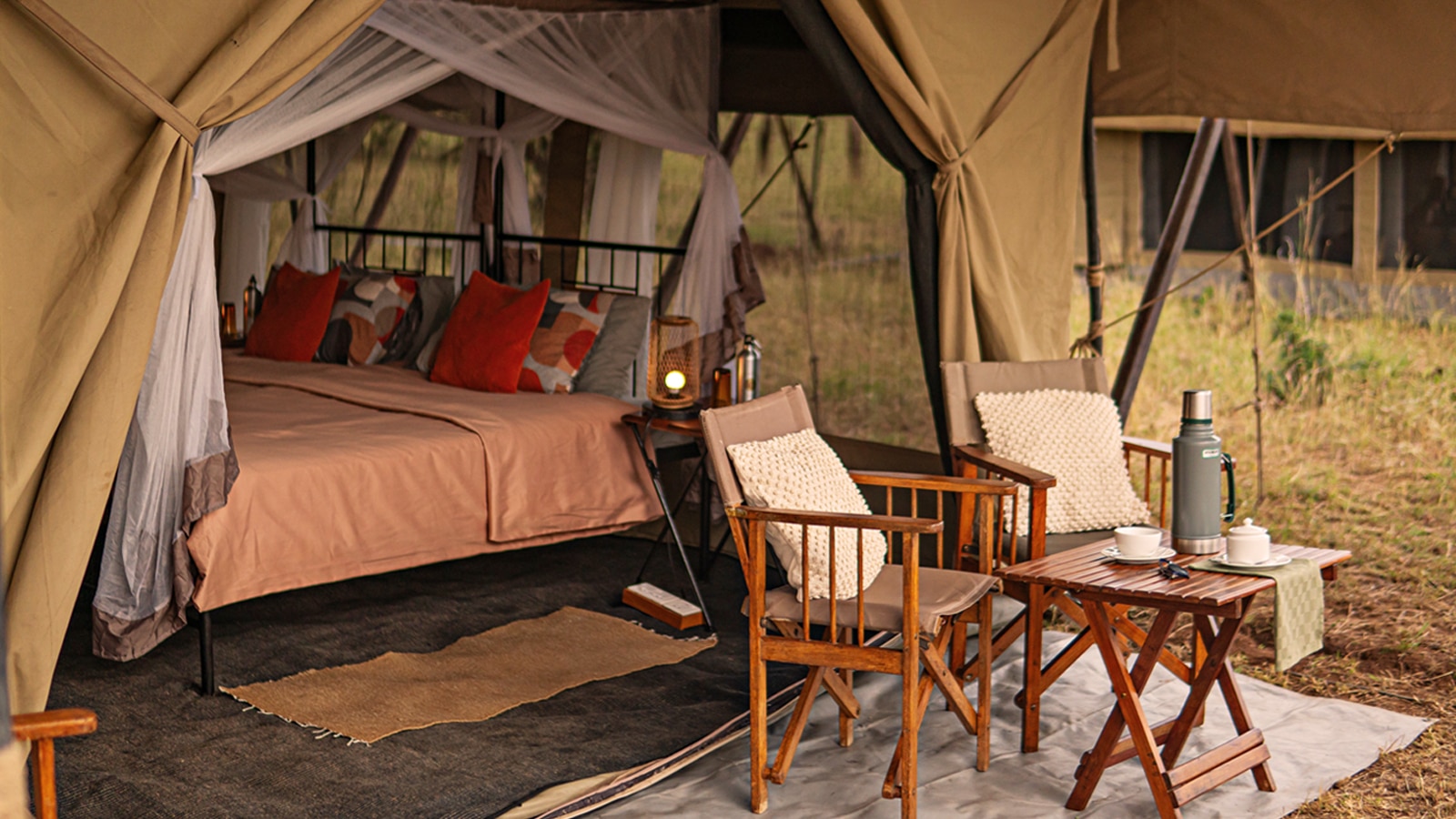
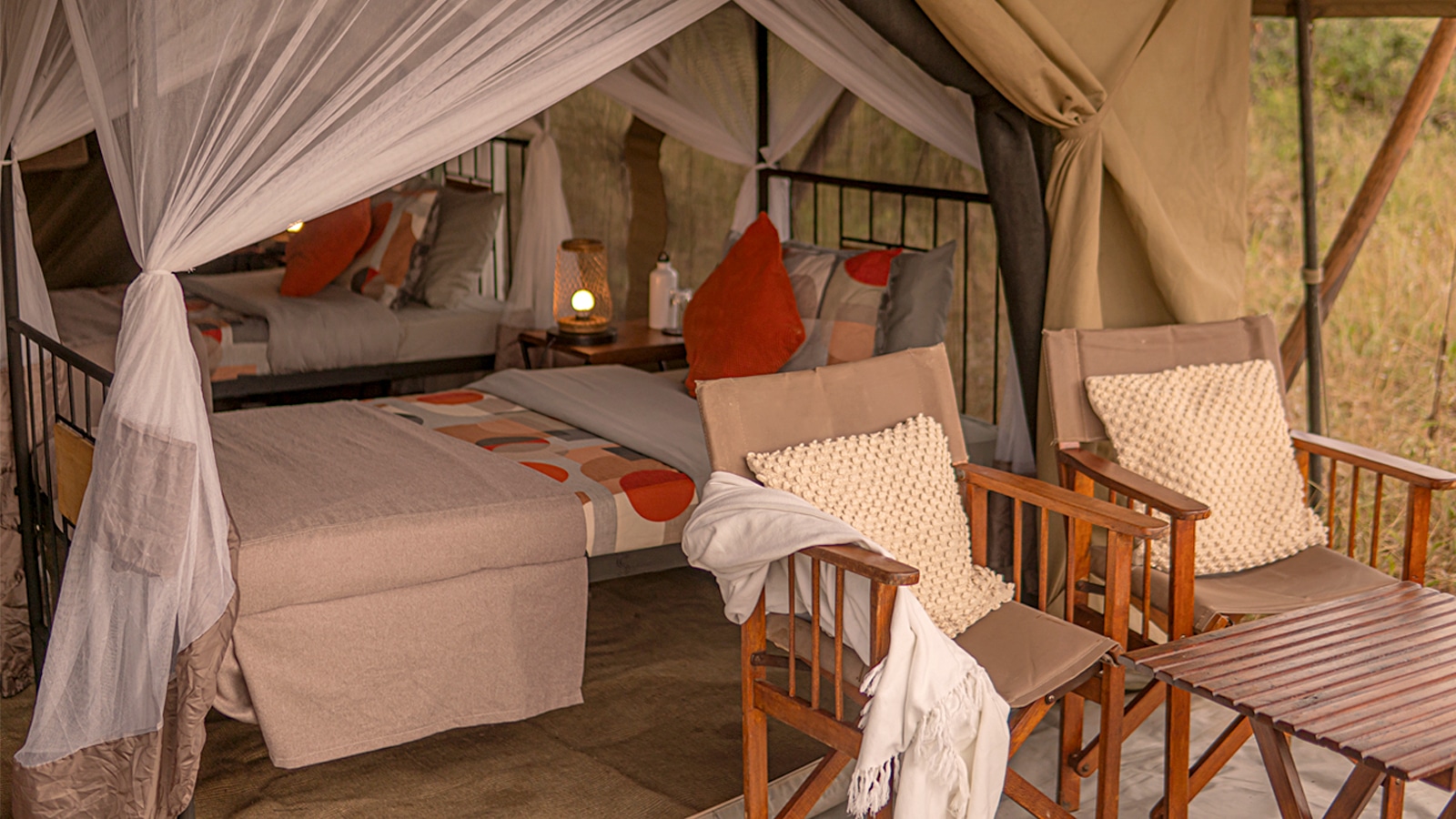
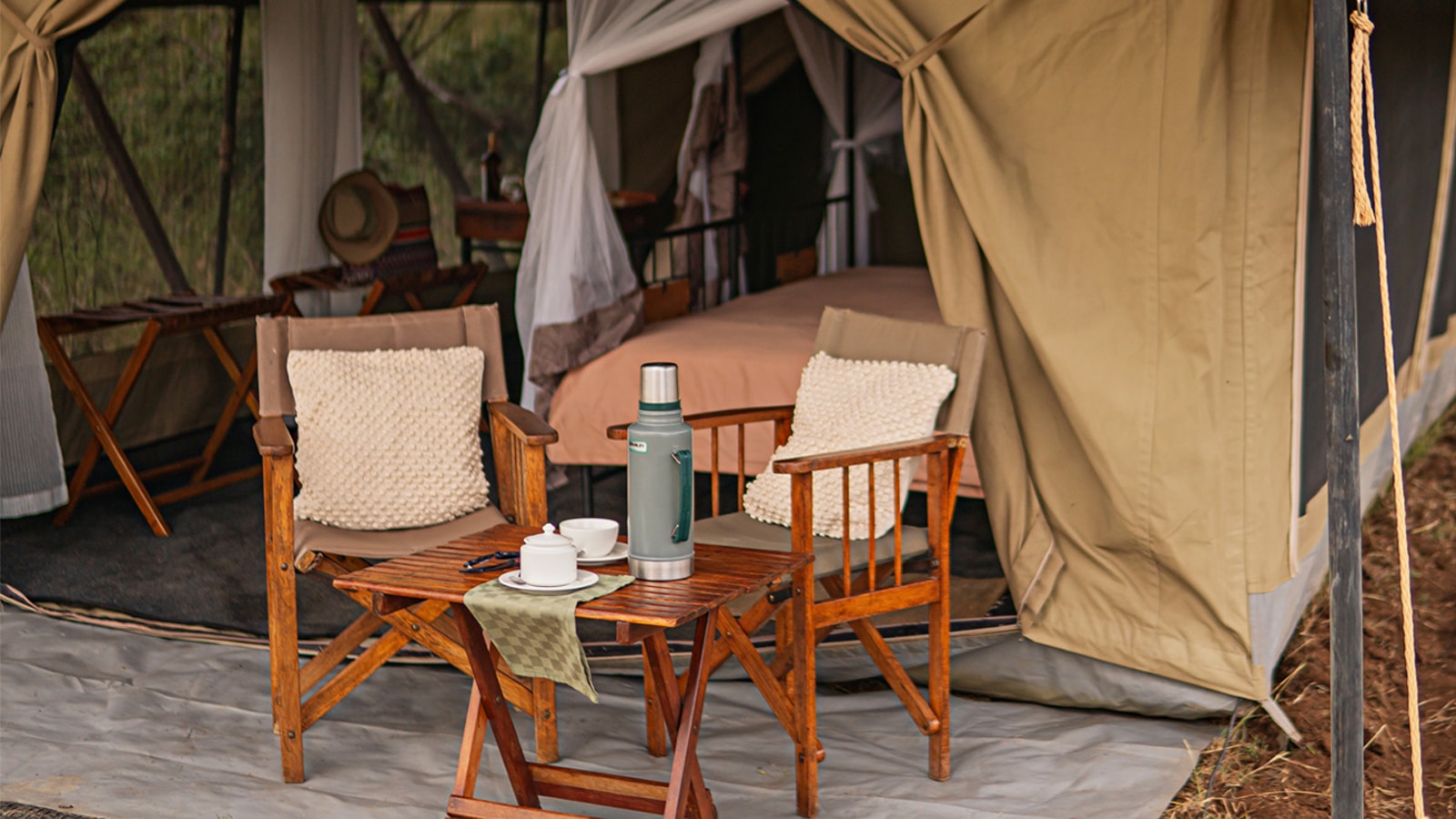
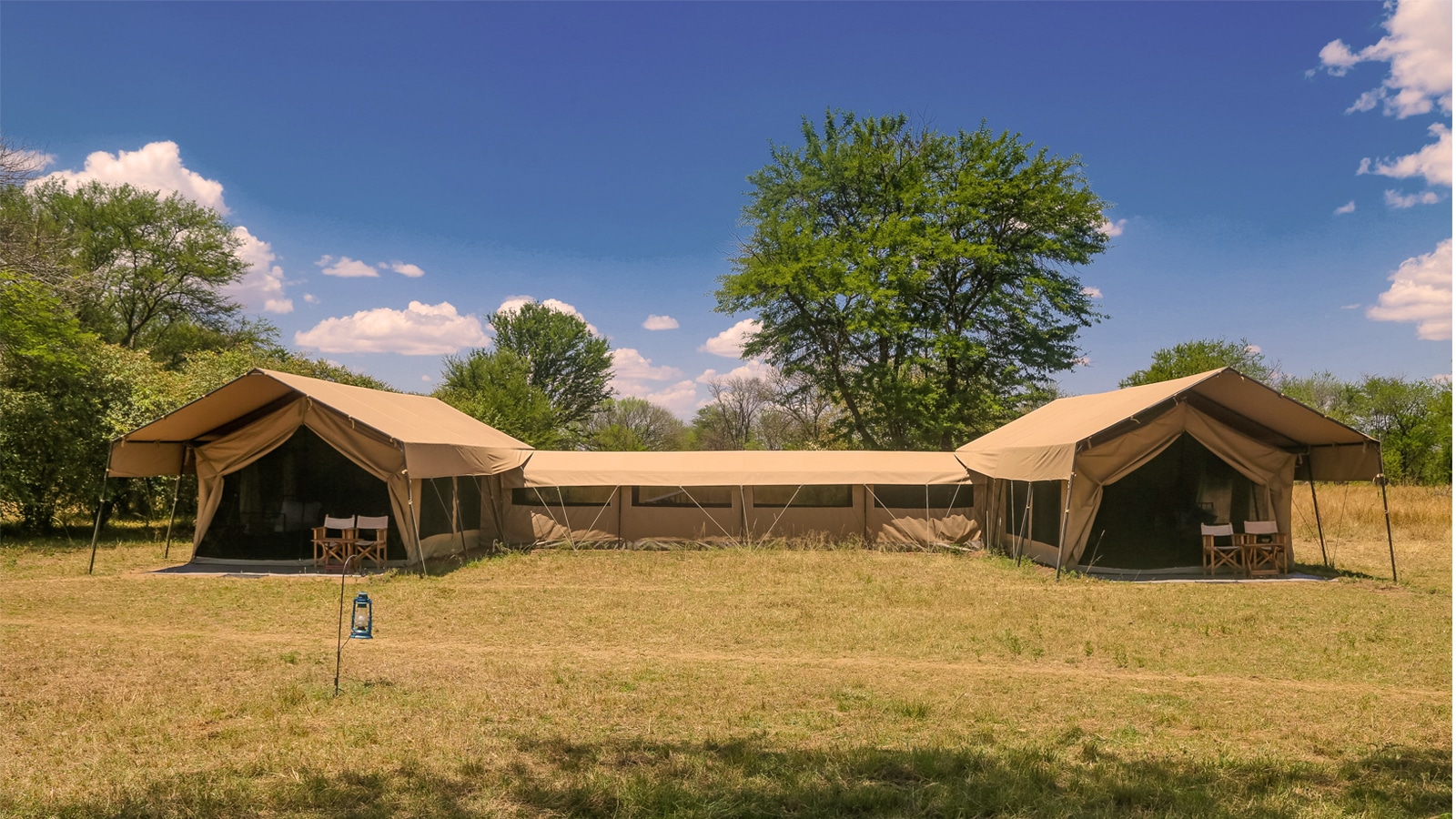
Camp Zebra has 12 spacious tents, each available for single, double, twin, or triple occupancy. Four of them can be paired into two family tents, where two full-size tents are joined by an enclosed corridor, giving a family two bedrooms and two bathrooms under one roof.
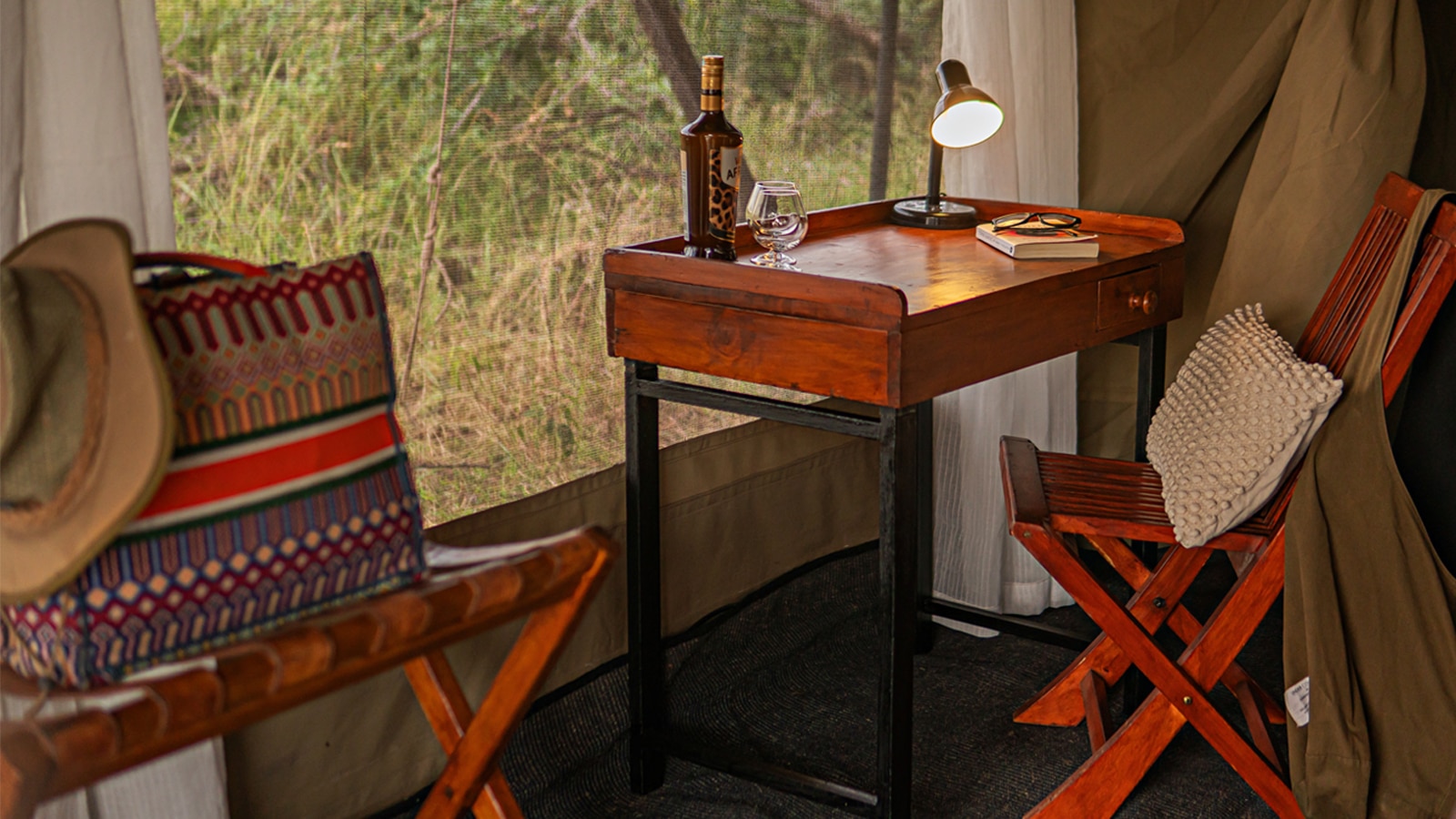
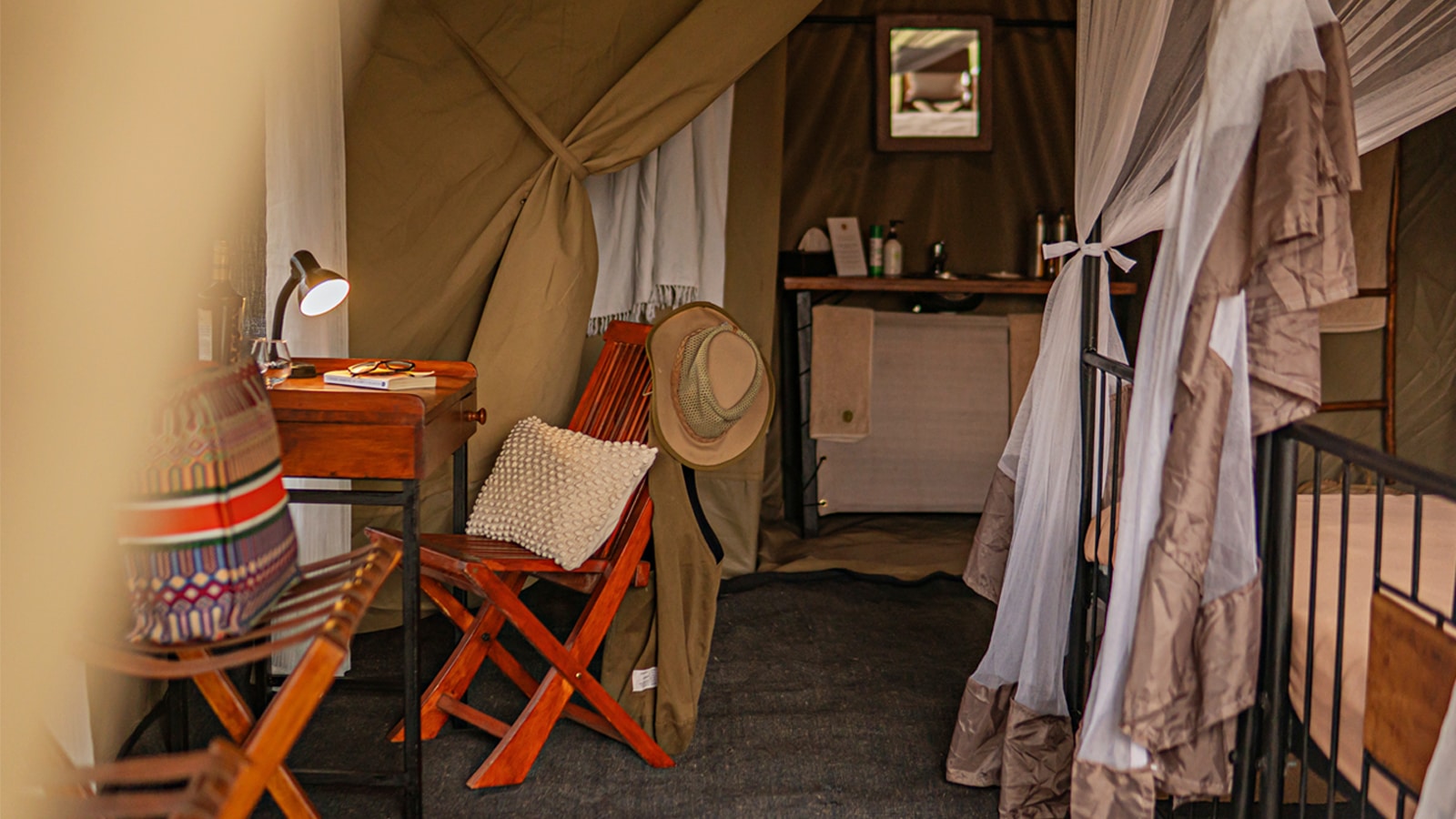
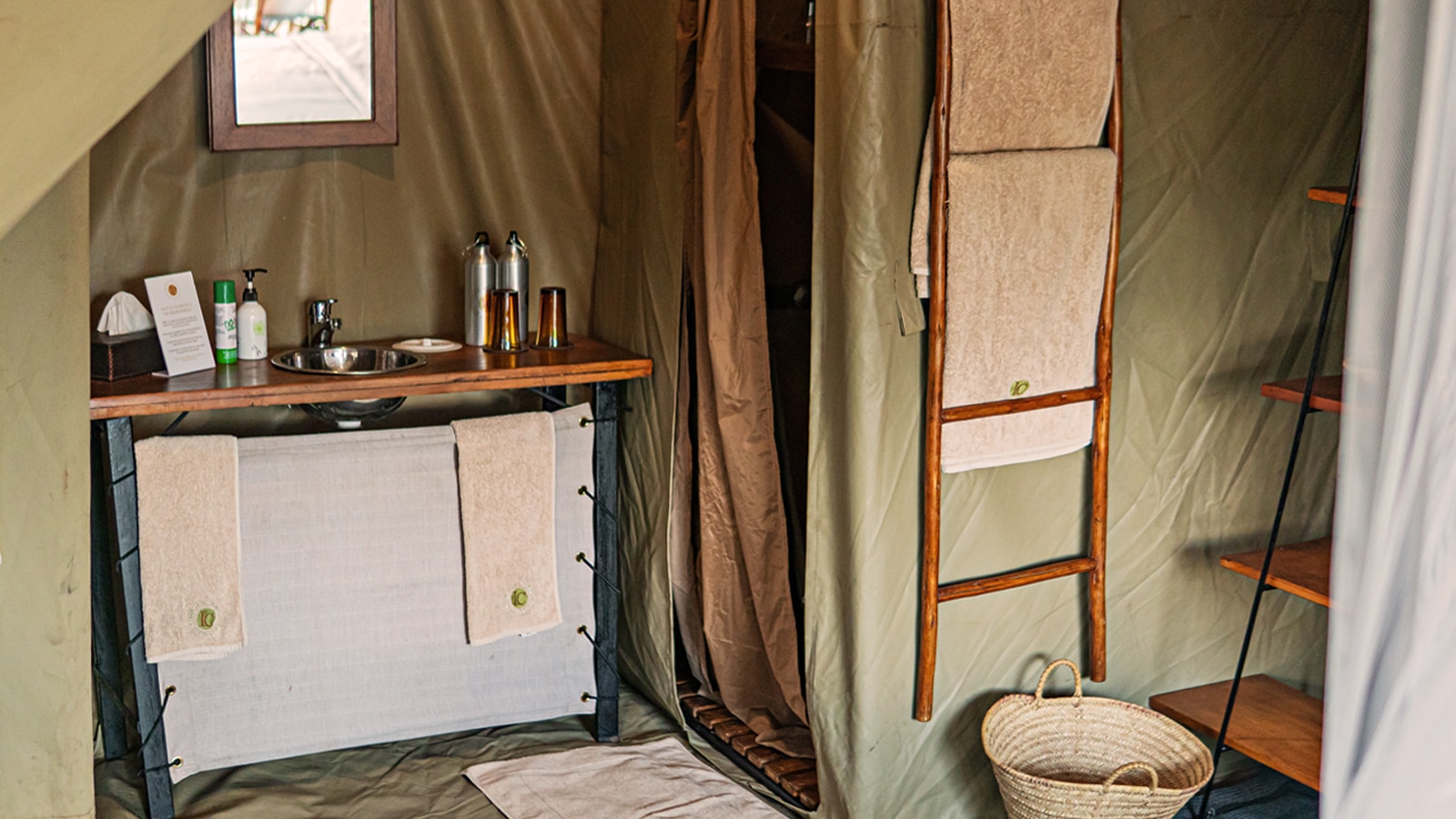
- Room to Spread Out: Each tent has a proper bedroom and separate dressing area with luggage racks, a clothes rack, and a laundry hamper, plus a private veranda with a table and chairs for watching the plains.
- En-Suite Bathrooms: A ceramic flush toilet, wash basin, and walk-in shower with hot and cold running water 24 hours a day. Complimentary toiletries and shower sandals are provided.
- Sleep Well: Comfortable beds with quality linens, and hot water bottles at turndown for cool dry season nights.
- Stay Charged: Each tent has 220V solar power with more outlets than you expect in a tented camp, including USB ports for cameras and phones.
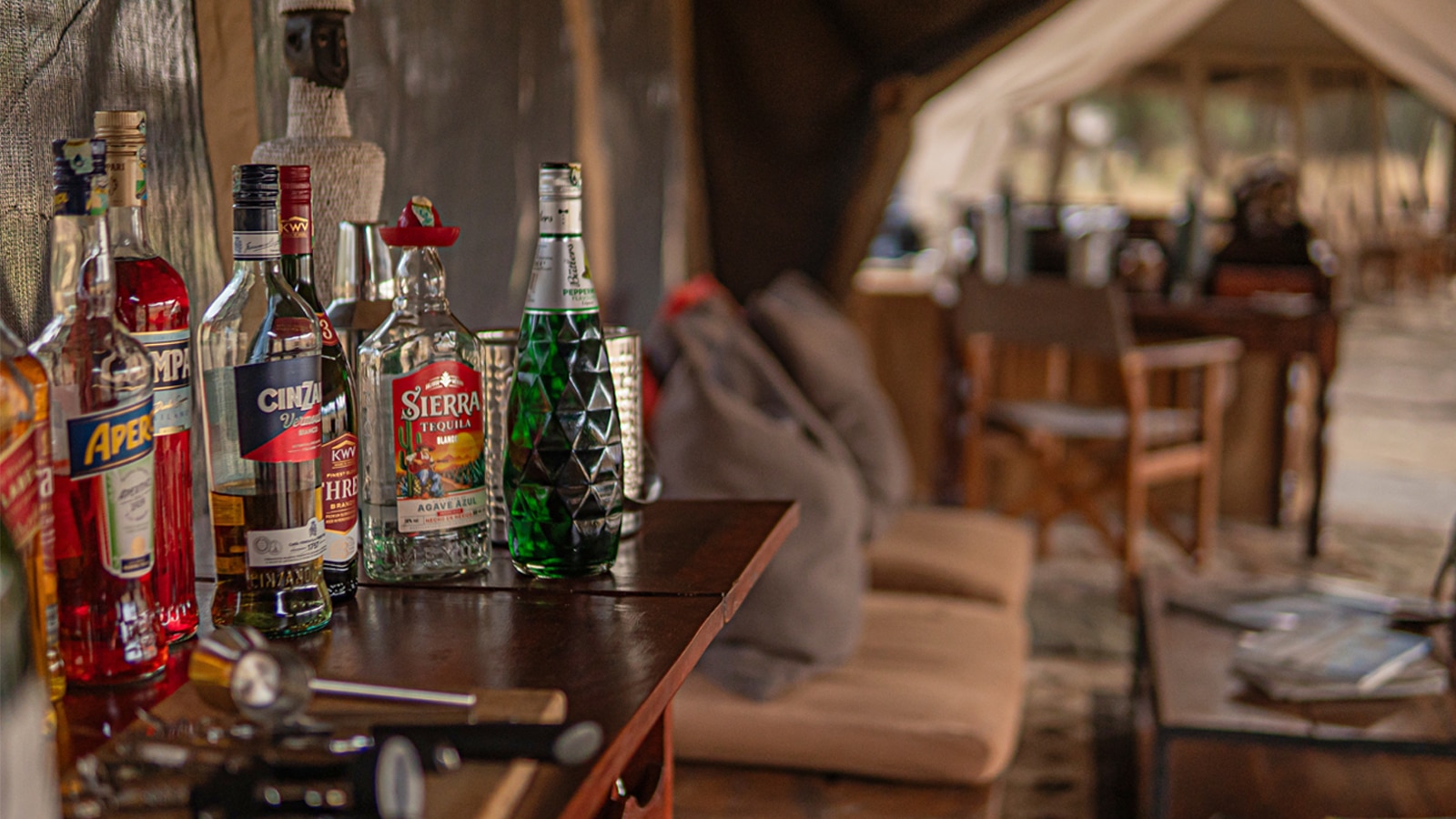
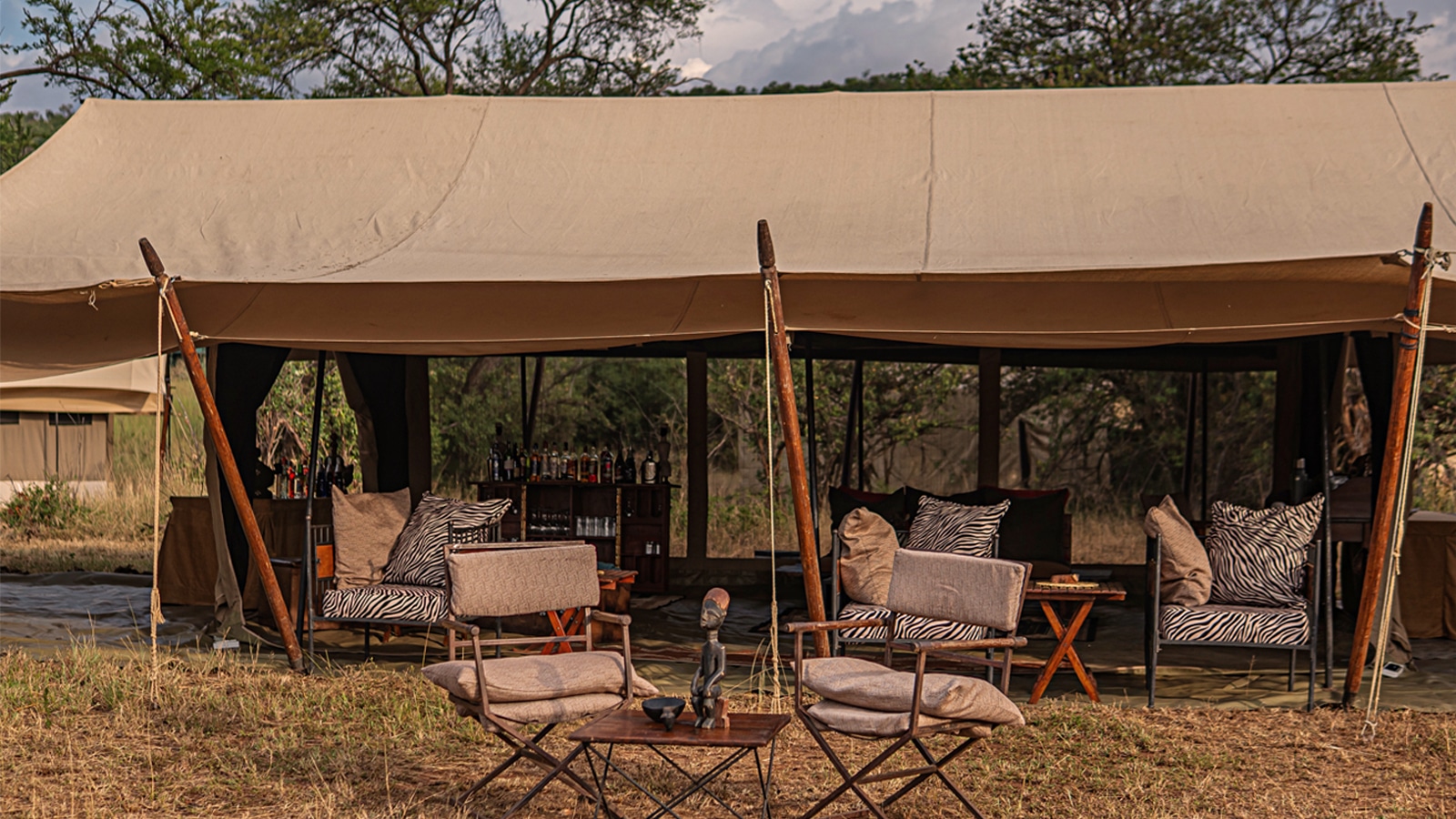
- All-Inclusive Bar: Premium spirits, wines, beers, and soft drinks are included in your stay, served from the dining tent bar or around the campfire.
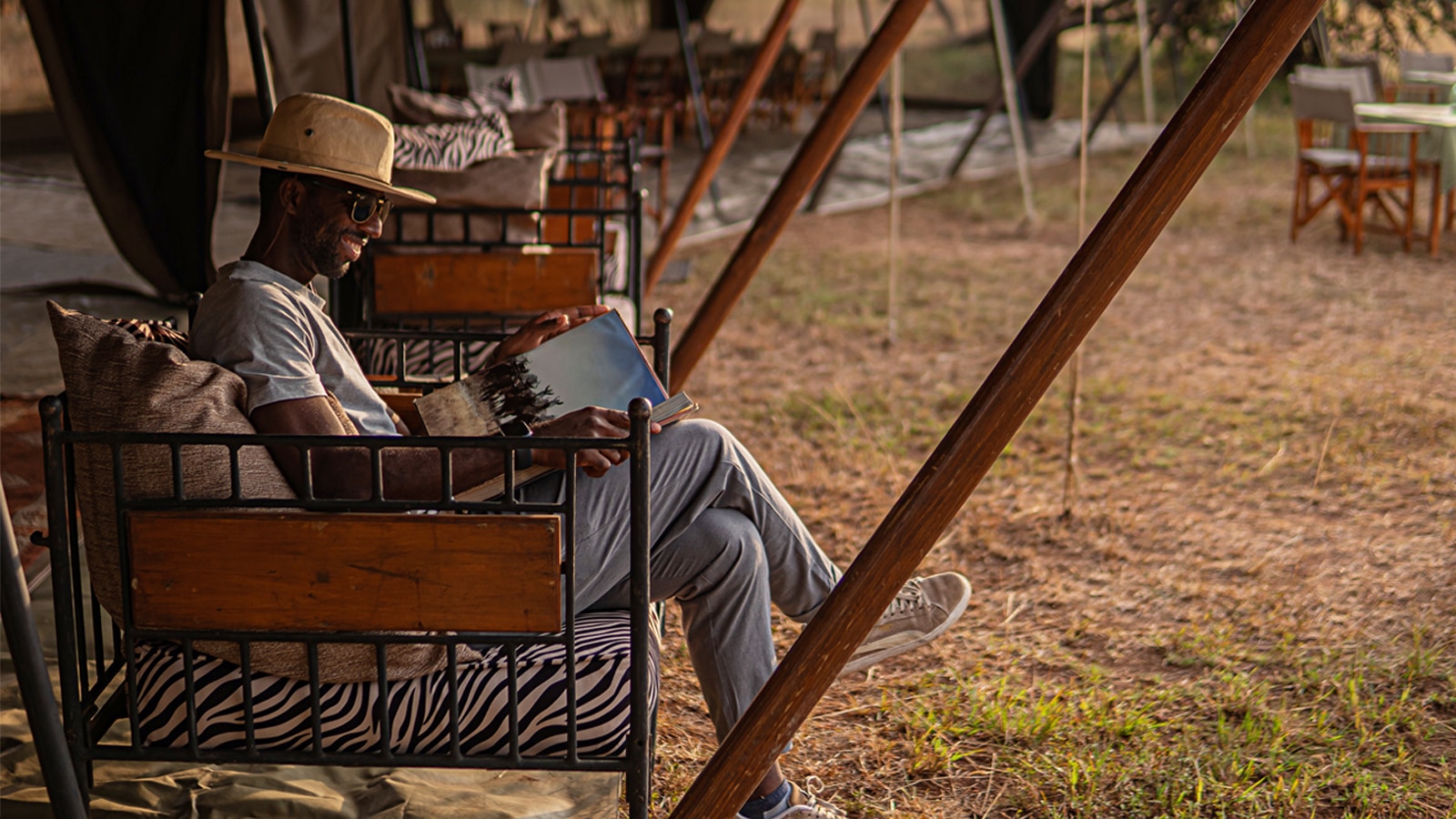
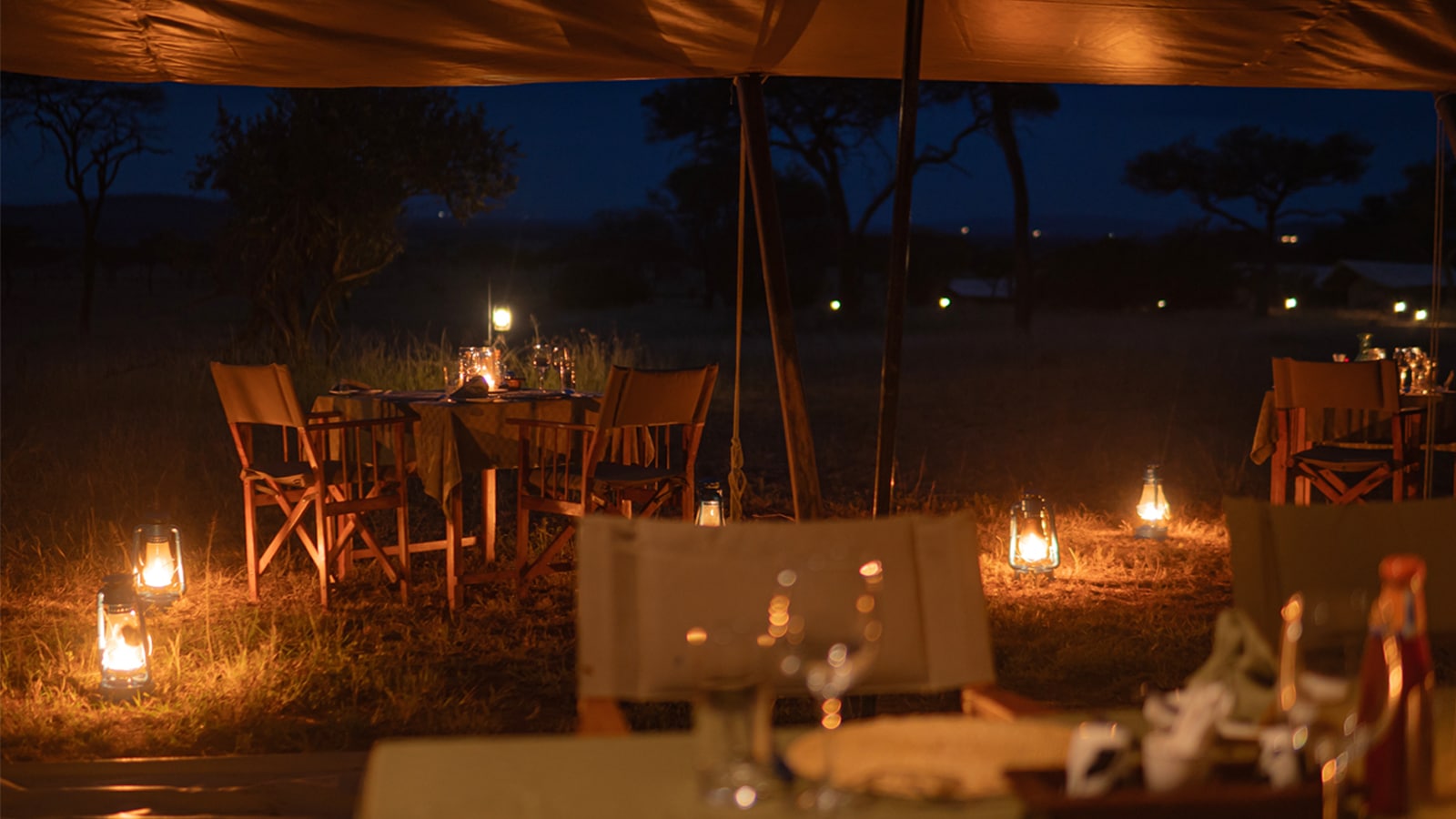
- New Lounge and Dining Tents: The lounge has comfortable settees and armchairs, coffee table books, board games, and a writing bureau; the dining tent seats guests individually or as a group, and meals can also be taken outdoors.
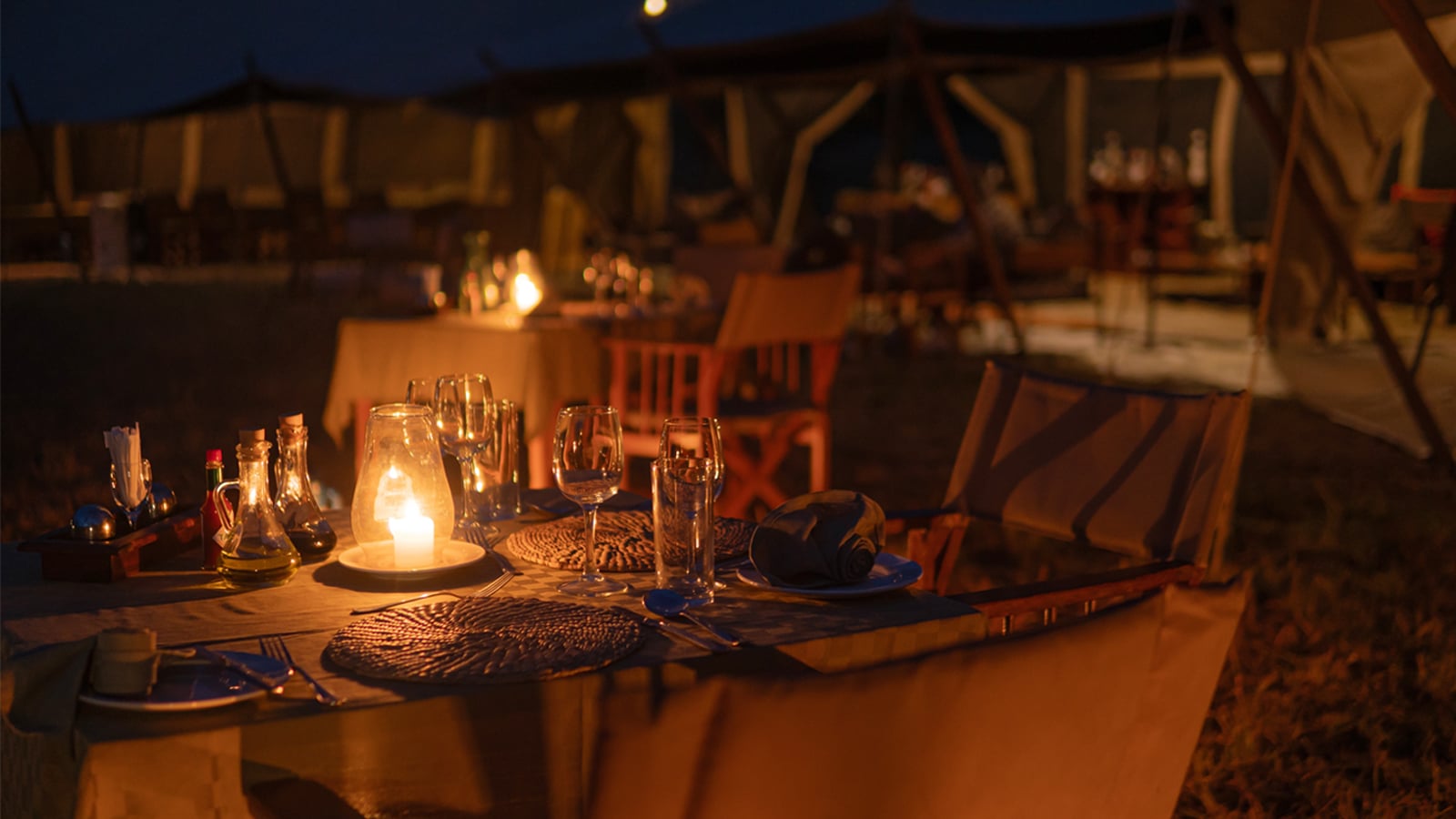
- Thoughtful Dining: Chef-prepared breakfasts and dinners, lunch either as a packed picnic for a full day at the river or served in camp, and pre-dinner bites at the fire. The kitchen has a strong track record with dietary needs, from vegan birthday cakes to gluten-free menus.
- Bush Meals and Sundowners: Sunrise bush breakfasts, bush lunches, and private sundowners out on the plains can be arranged.
- Fast, Free WiFi: Reliable connectivity in the tents and public areas, a rarity for a seasonal camp in the middle of the Serengeti.
- Light Footprint: The entire camp runs on solar power with a silent standby generator, shower water is heated by solar panels and low-energy boilers fueled with waste-wood briquettes, plastic bottles are banned, and all waste is trucked back to Arusha. When the camp moves on, little trace is left behind.
- Attentive Touches: Laundry and valet service, room service, mosquito spray in the tents before dinner, an escort to and from your tent after dark, and a staff send-off song on departure.
Nearby Attractions


Seasonal Highlights
| Month | Season | Weather | Wildlife Sightings | Rec. |
|---|---|---|---|---|
| Jan | Green Season | 60 - 85 F Mostly sunny with few showers |
- - - - - | No |
| Feb | Green Season | 60 - 85 F Mostly sunny with few showers |
- - - - - | No |
| Mar | Green Season | 60 - 83 F Mostly sunny with few showers |
- - - - - | No |
| Apr | Green Season | 60 - 83 F Mostly sunny with few showers |
- - - - - | No |
| May | Northward Migration | 56 - 81 F Mostly sunny |
- - - - - | No |
| Jun | Beginning of Dry Season | 56 - 81 F Mostly sunny |
Wildebeest Migration, Zebra Migration, Lion, Elephant, Giraffe, Impala, Buffalo, Hippo | Yes |
| Jul | Dry Season | 60 - 83 F Mostly sunny |
Wildebeest Migration, Zebra Migration, Lion, Elephant, Giraffe, Impala, Buffalo, Hippo | Yes |
| Aug | Dry Season | 55 - 81 F Mostly sunny |
Wildebeest Migration, Zebra Migration, Lion, Hyena, Elephant, Giraffe, Impala, Buffalo, Hippo | Yes |
| Sep | Dry Season | 55 - 81 F Mostly sunny |
Wildebeest Migration, Zebra Migration, Lion, Hyena, Elephant, Giraffe, Impala, Buffalo, Hippo | Yes |
| Oct | Dry Season | 60 - 83 F Mostly sunny |
Wildebeest Migration, Zebra Migration, Lion, Hyena, Elephant, Giraffe, Impala, Buffalo, Hippo | Yes |
| Nov | Southward Migration | 60 - 83 F Mostly sunny with few showers |
Wildebeest Migration, Zebra Migration, Lion, Hyena, Elephant, Giraffe, Impala, Buffalo, Hippo | Yes |
| Dec | Beginning of Green Season | 60 - 83 F Mostly sunny with few showers |
- - - - - | No |
Nearby Lodges


What are you waiting for?
Create Your Own Itinerary
Receive instant day-by-day trip details designed just for you including rates, seasonal highlights, guest testimonials, photos & more!
Get In Touch
Our Safari Specialists Are Ready to Help Kickstart Your Adventure
Toll-Free
US Office
609 Deep Valley Drive, Suite 200, Rolling Hills Estates, CA 90274
Hours: Daily 8AM - 8PM PST
Drop Us A Line
Leave your contact info below