Neptune Serengeti
Discover Neptune Serengeti, a luxury hilltop camp opened in December 2025. Its 20 spacious tents feature double jacuzzi baths, panoramic terraces, and indoor/outdoor showers, alongside a pool, spa, and all-inclusive dining.
Details
Big Tents, Big Views, and a Spa
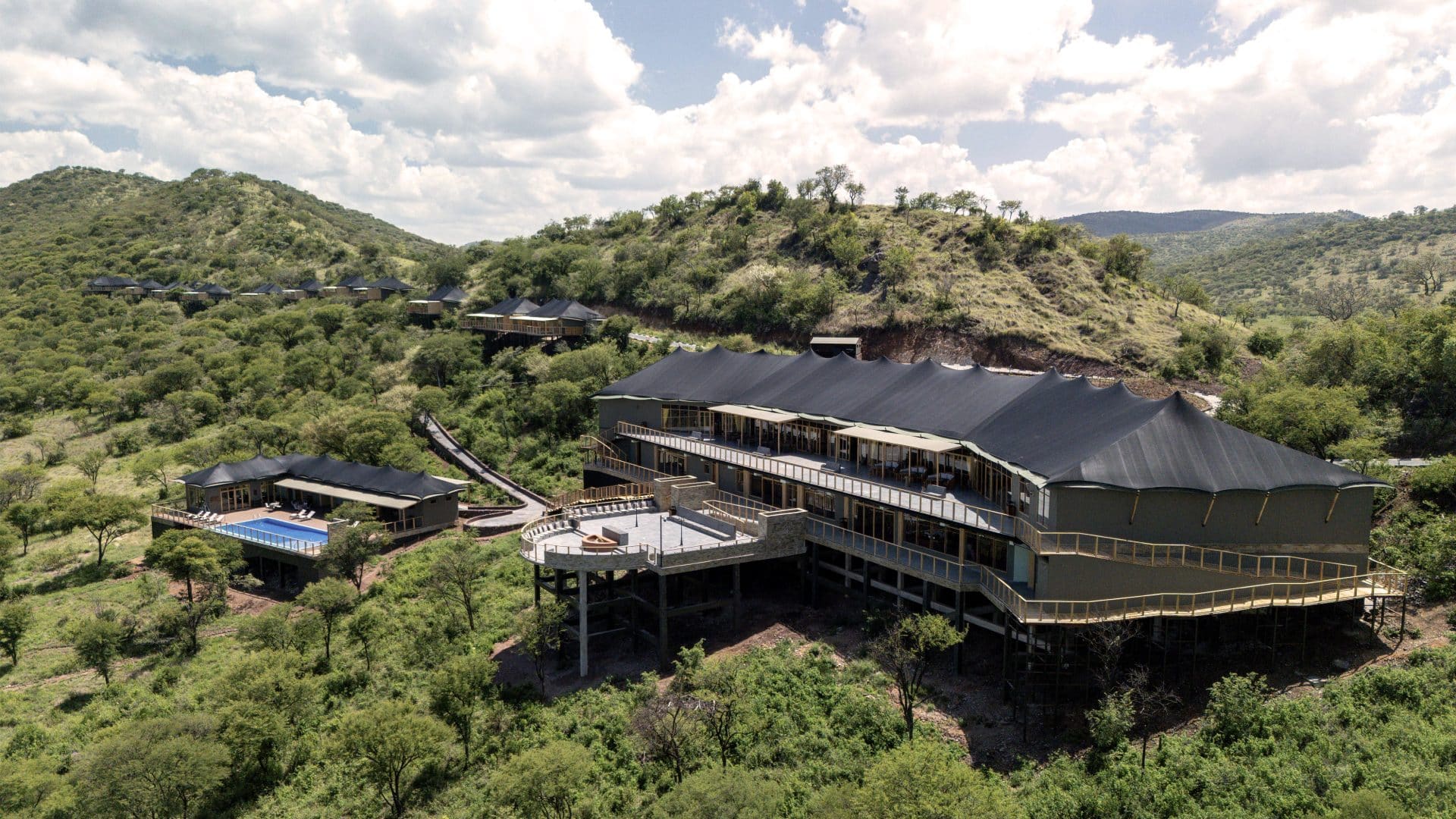
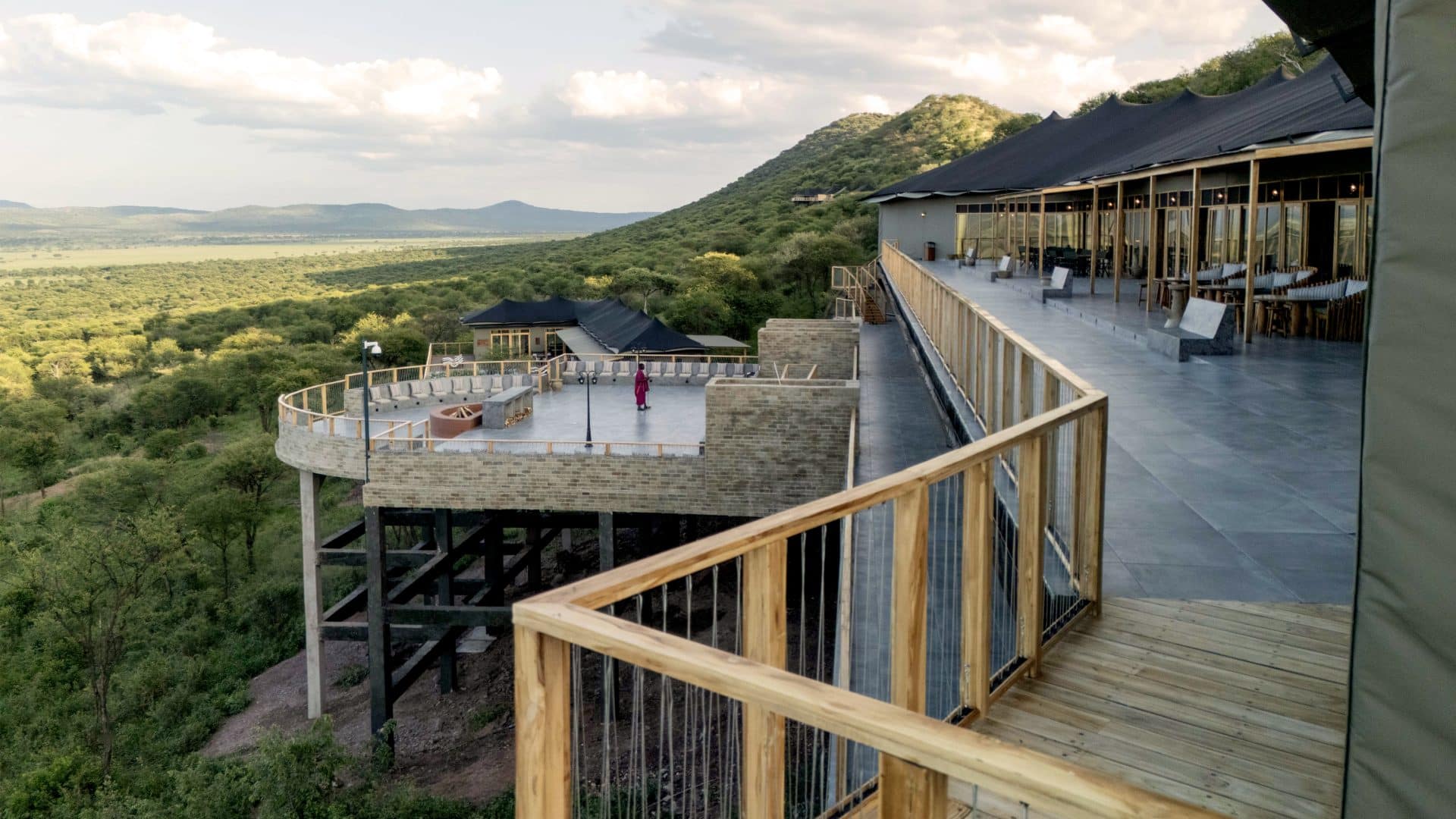
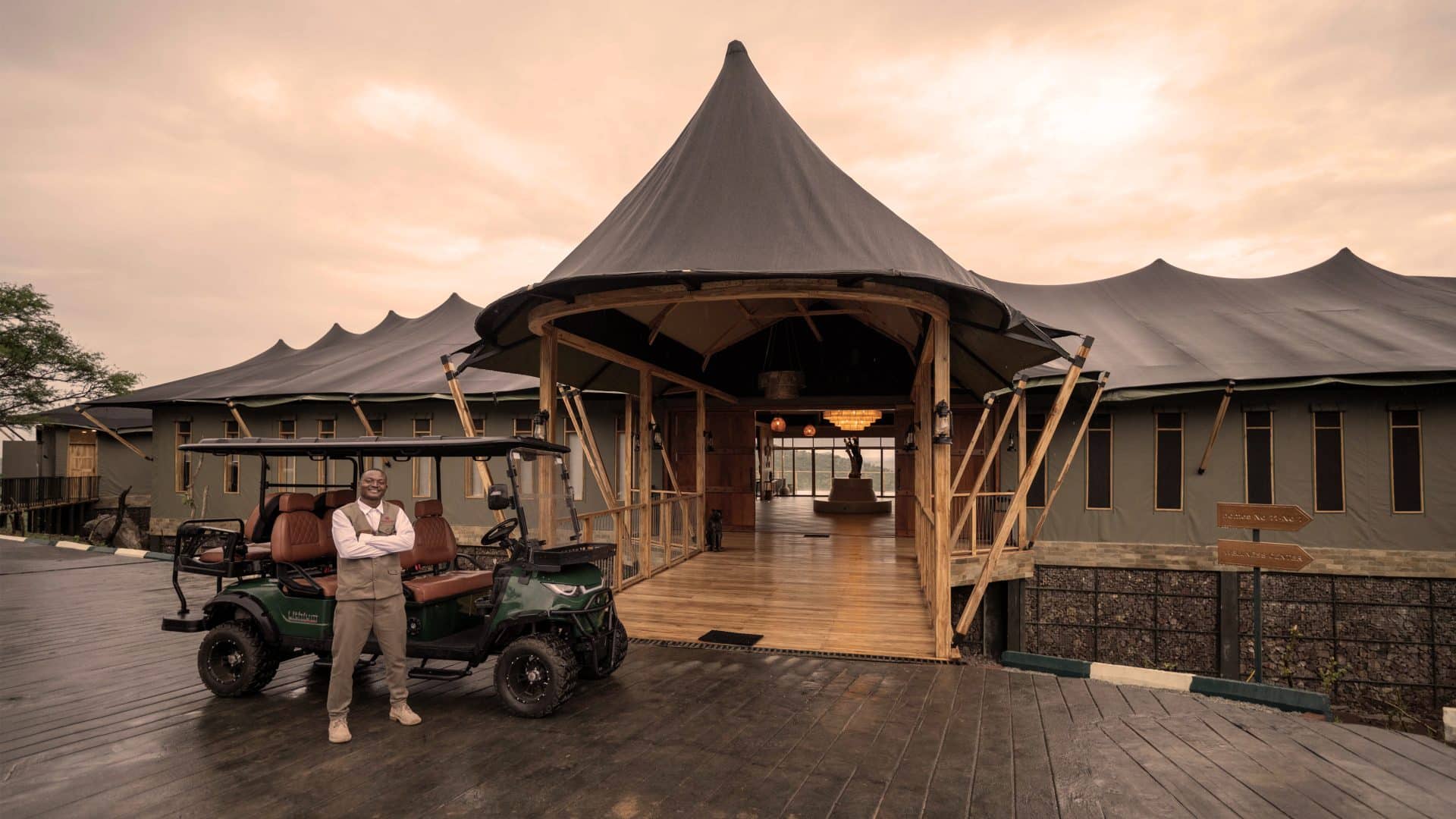
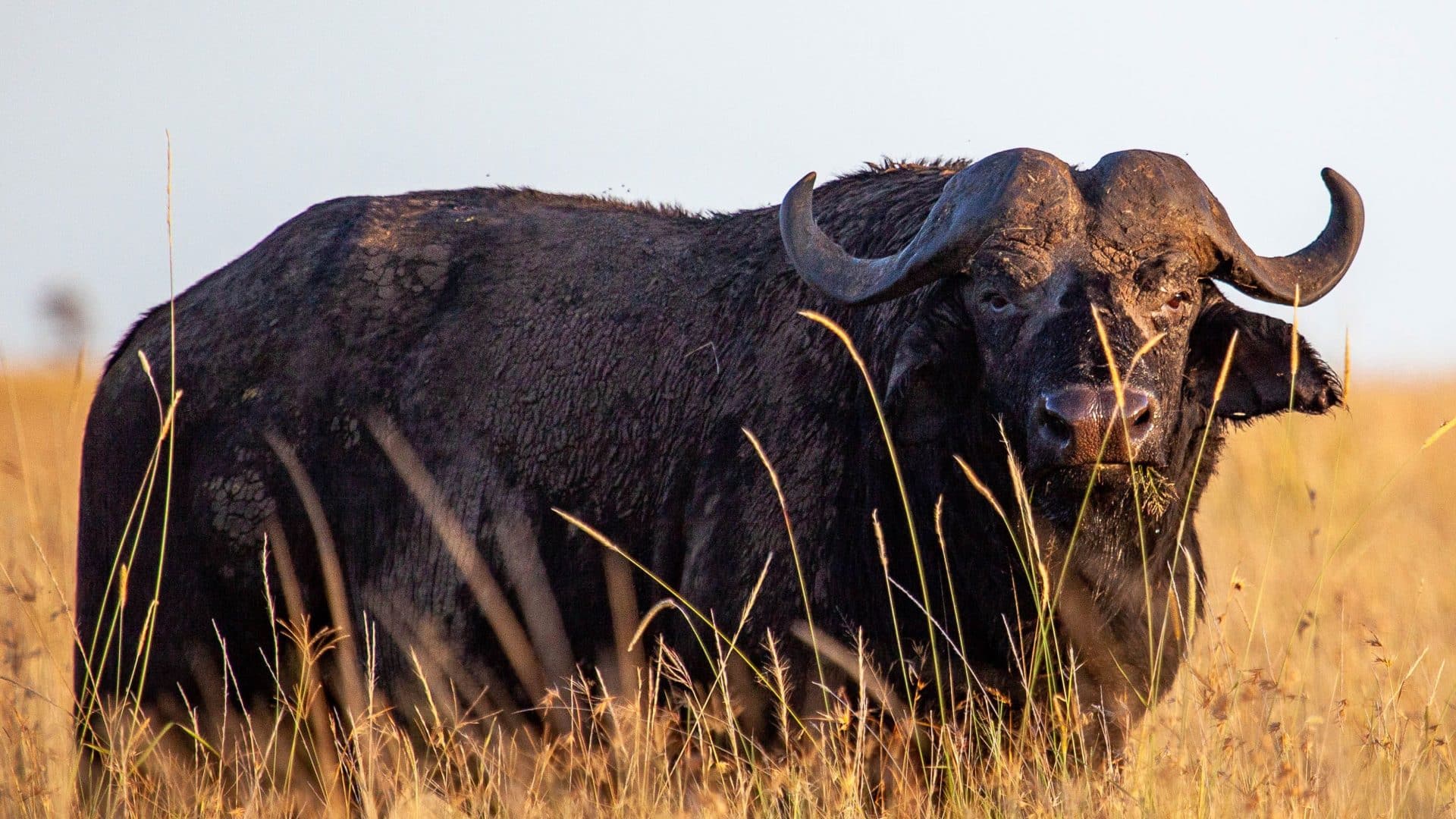
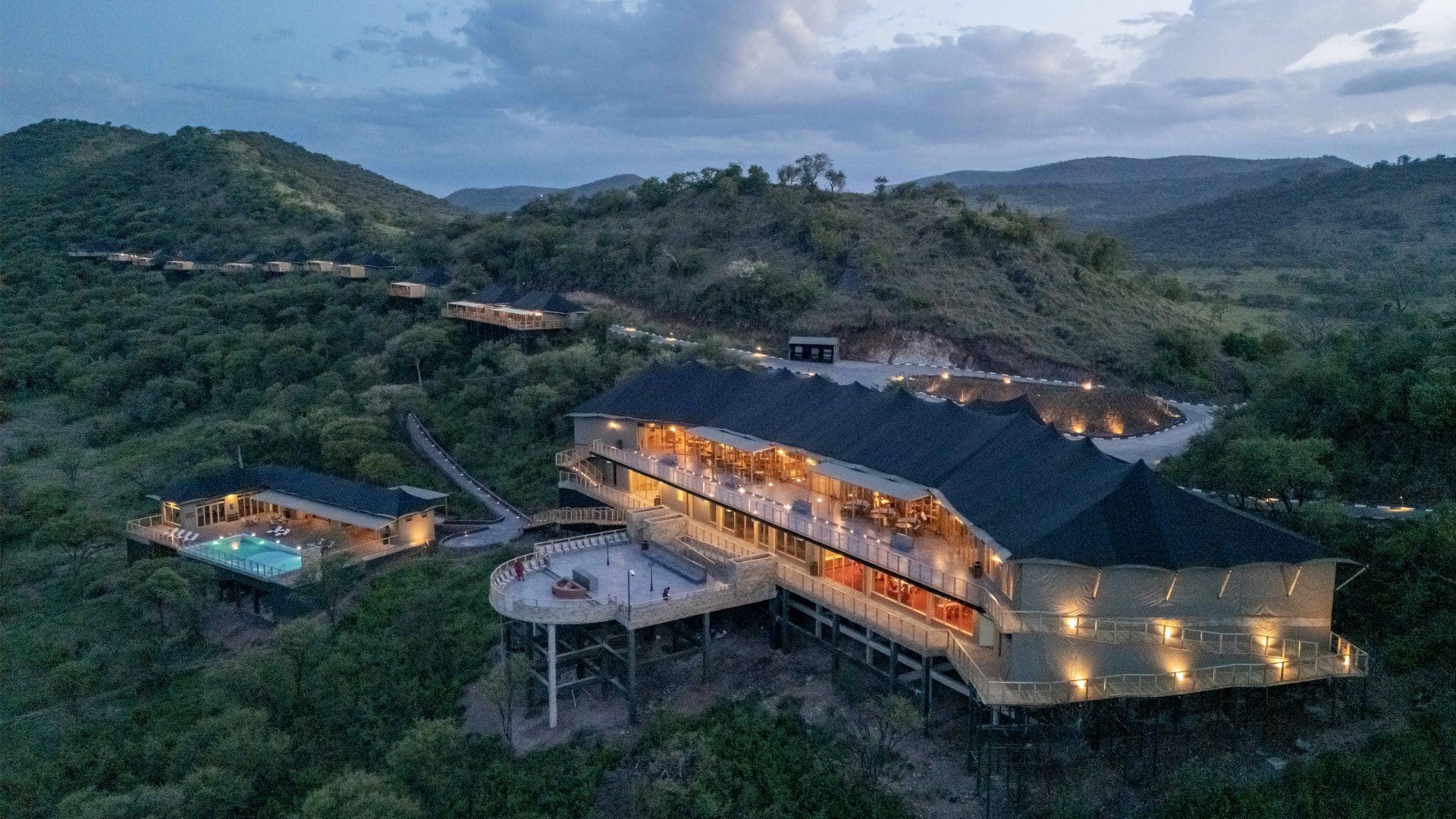
Neptune Serengeti is the newest addition to Neptune Hotels’ Luxury Safari Collection, the sister property to Neptune Ngorongoro on the Crater highlands. It opened in December 2025 on a hilltop in the western half of the central Serengeti, with the tents and main areas arranged along the slope so that every terrace looks out over the plains below with nothing in between. The early reviews describe a secluded, very quiet camp where hyenas call below the decks at night and buffalo and impala graze within sight of the tents.
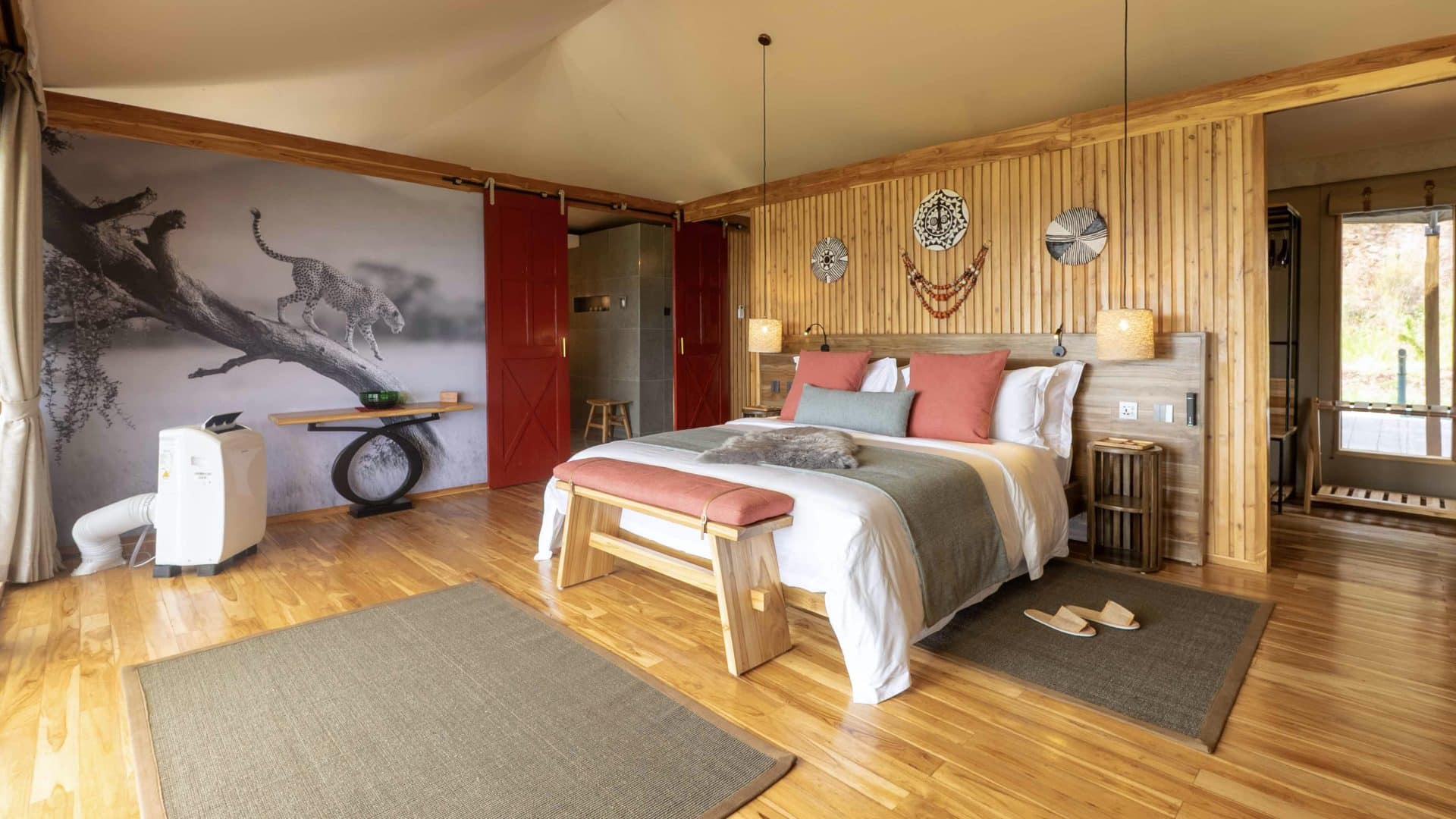
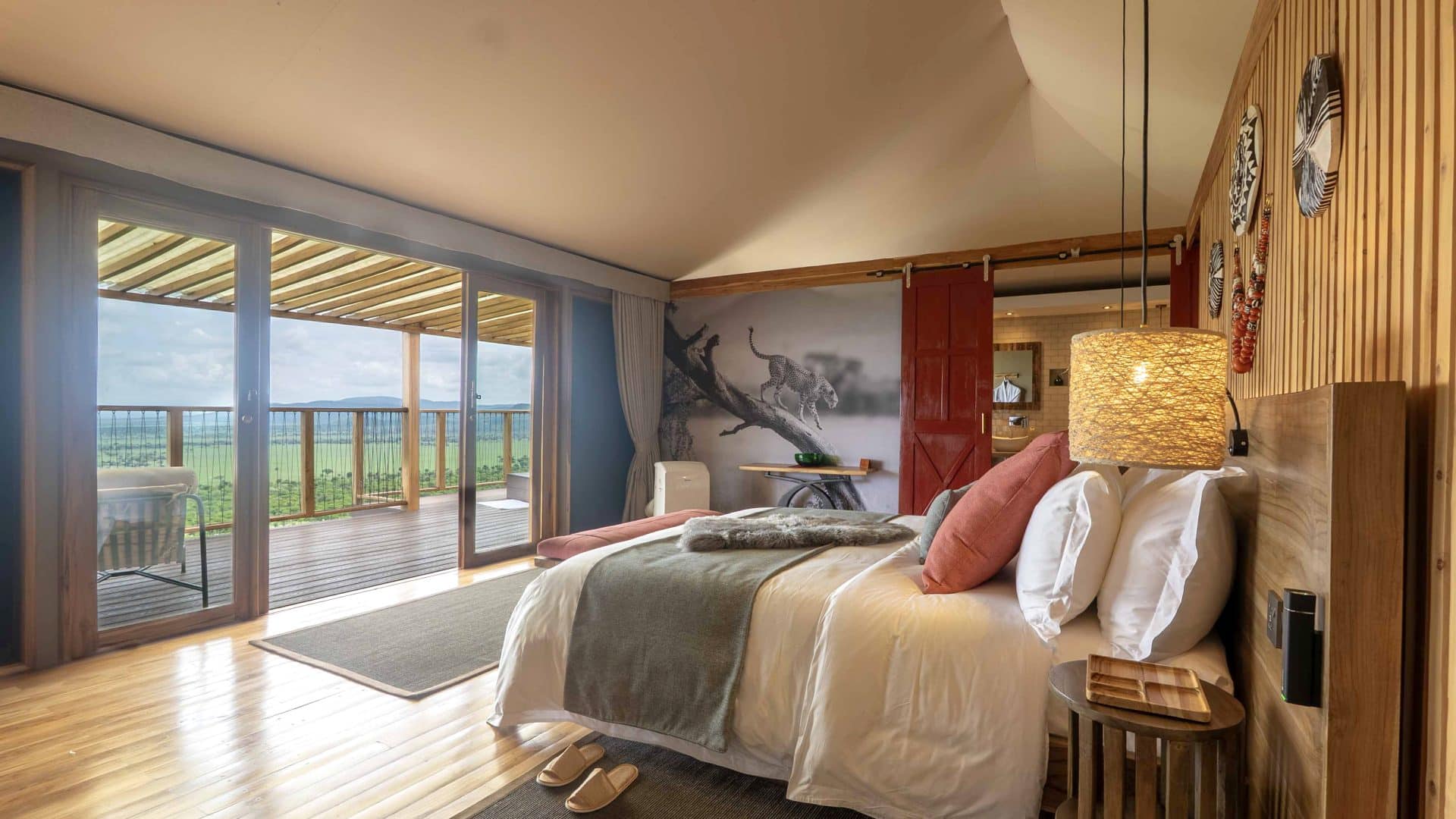
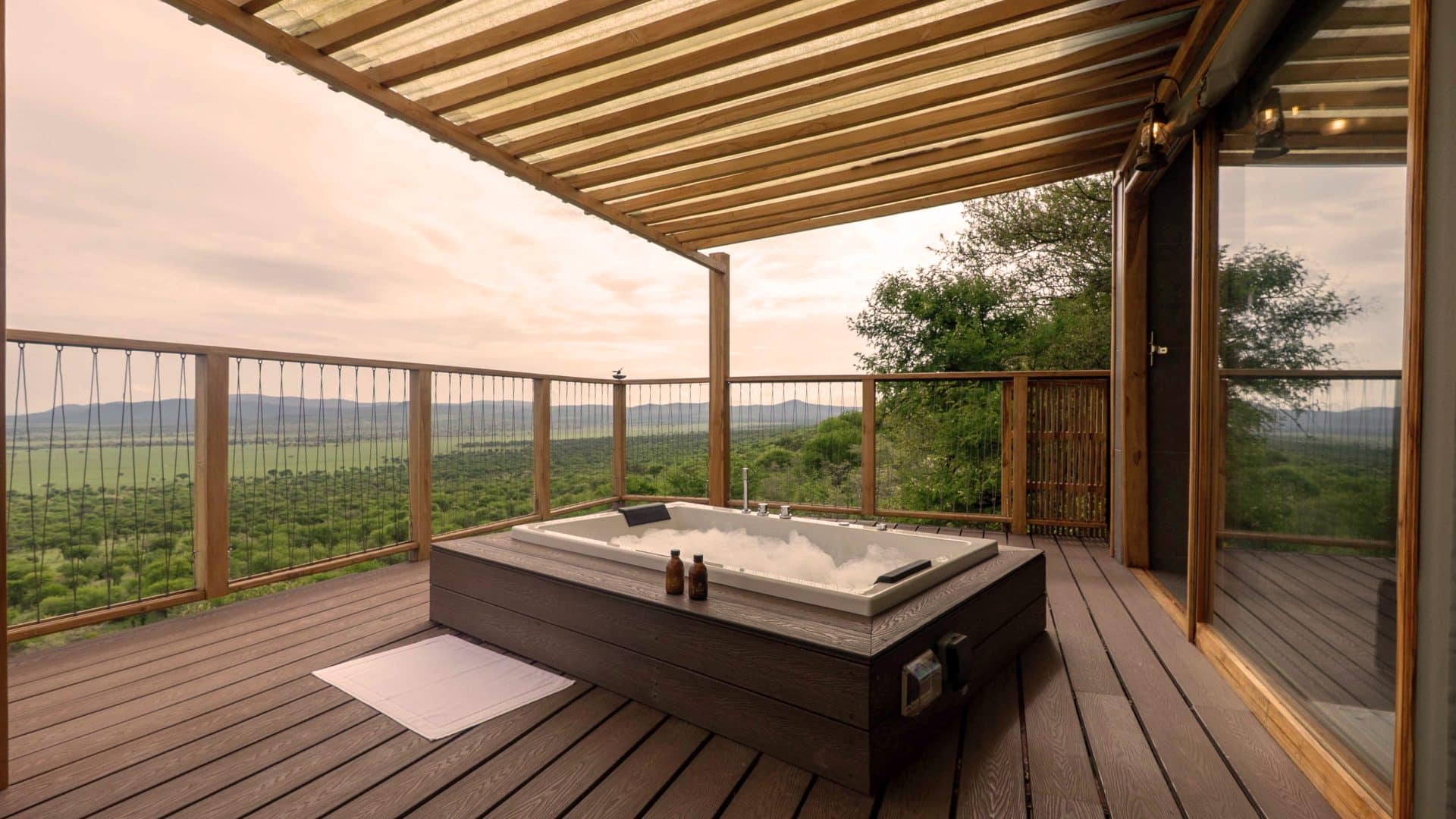
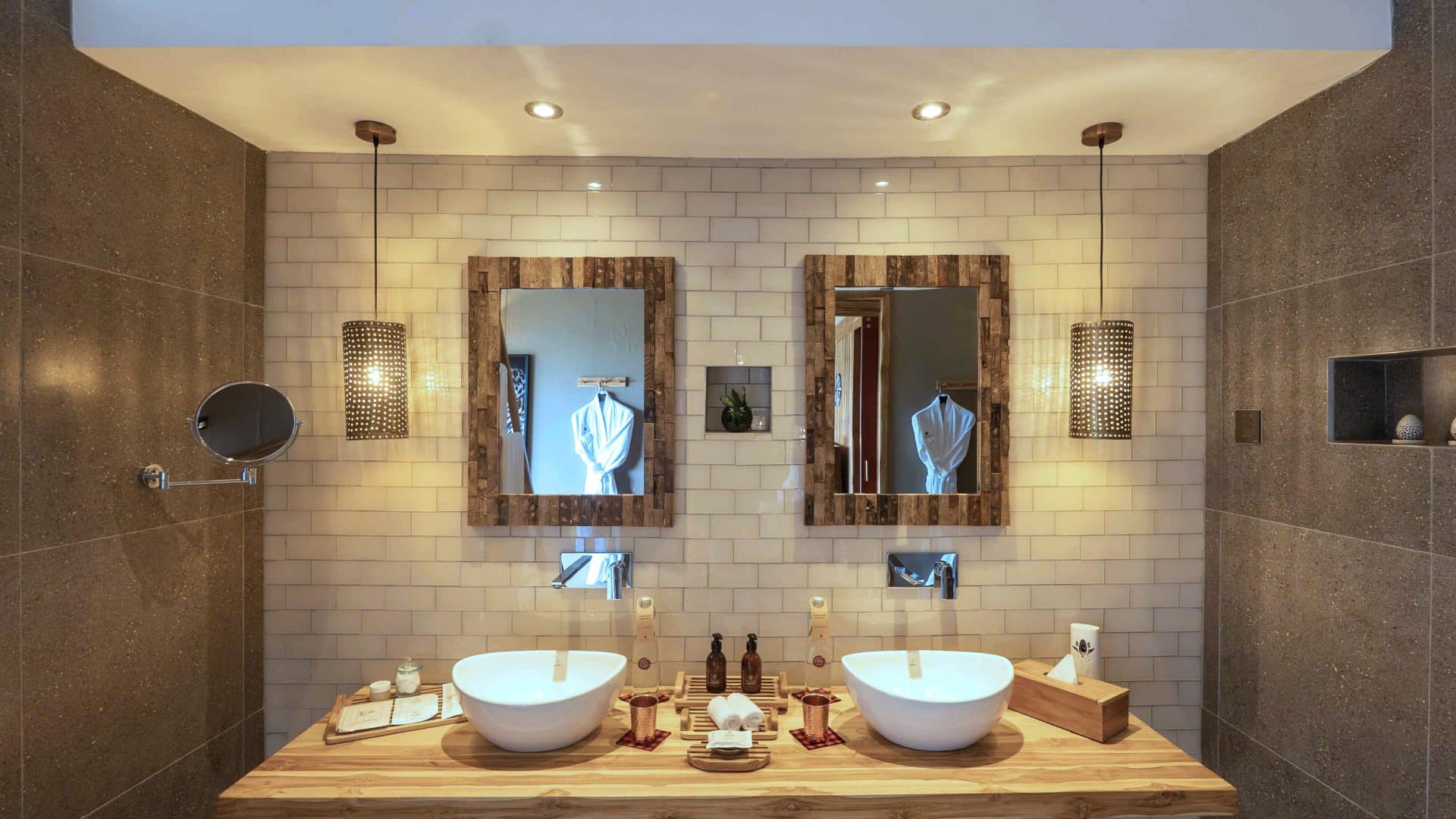
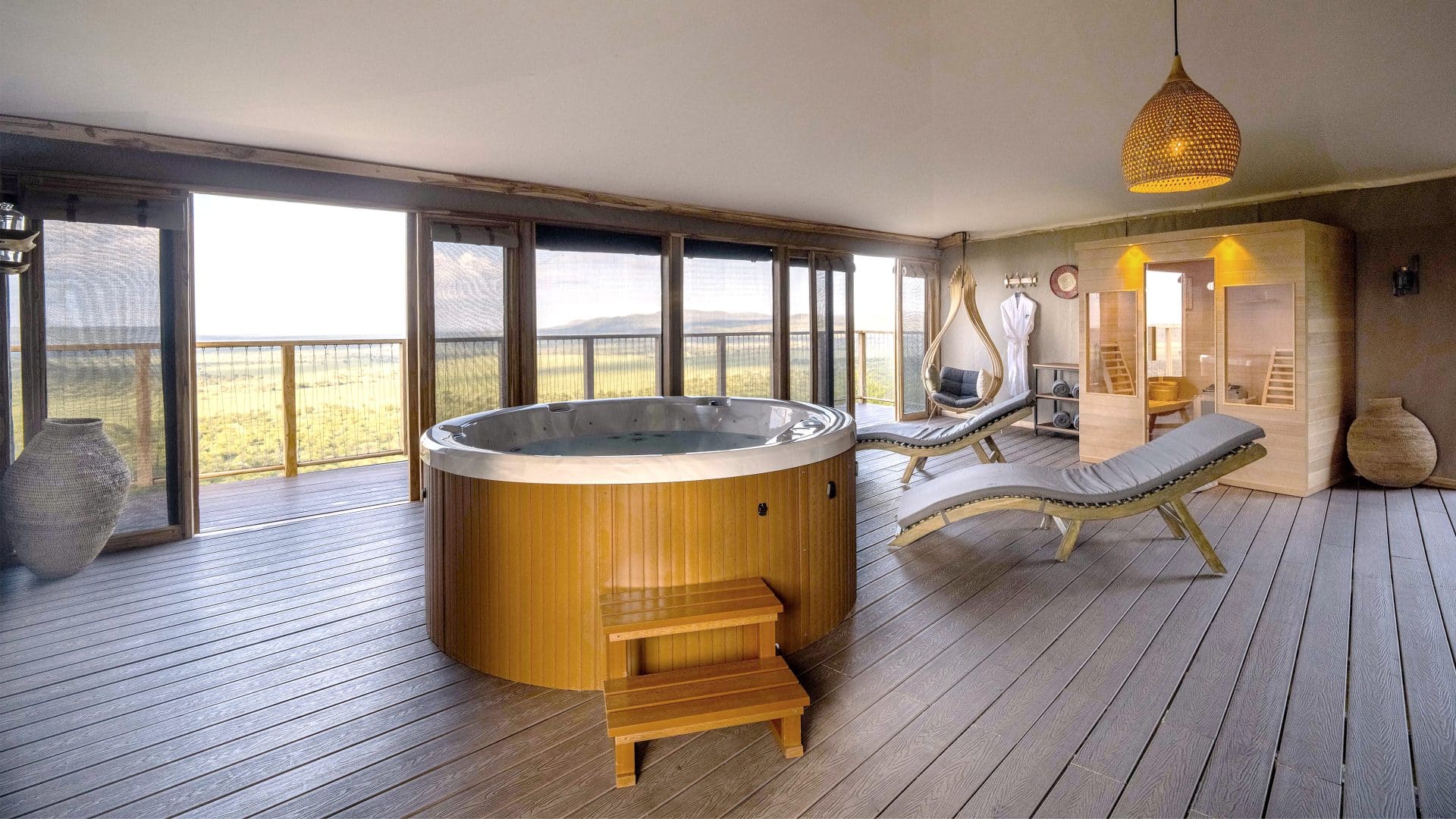
The tents are the headline. At 180 square meters each, they are among the largest tented suites in the Serengeti, laid out as a separate bedroom and lounge with a double jacuzzi bath, a double vanity, an indoor shower and an outdoor shower, and a viewing terrace with sun loungers. Power is 24-hour solar, and the interiors are finished with handcrafted local pieces rather than imported safari cliches.
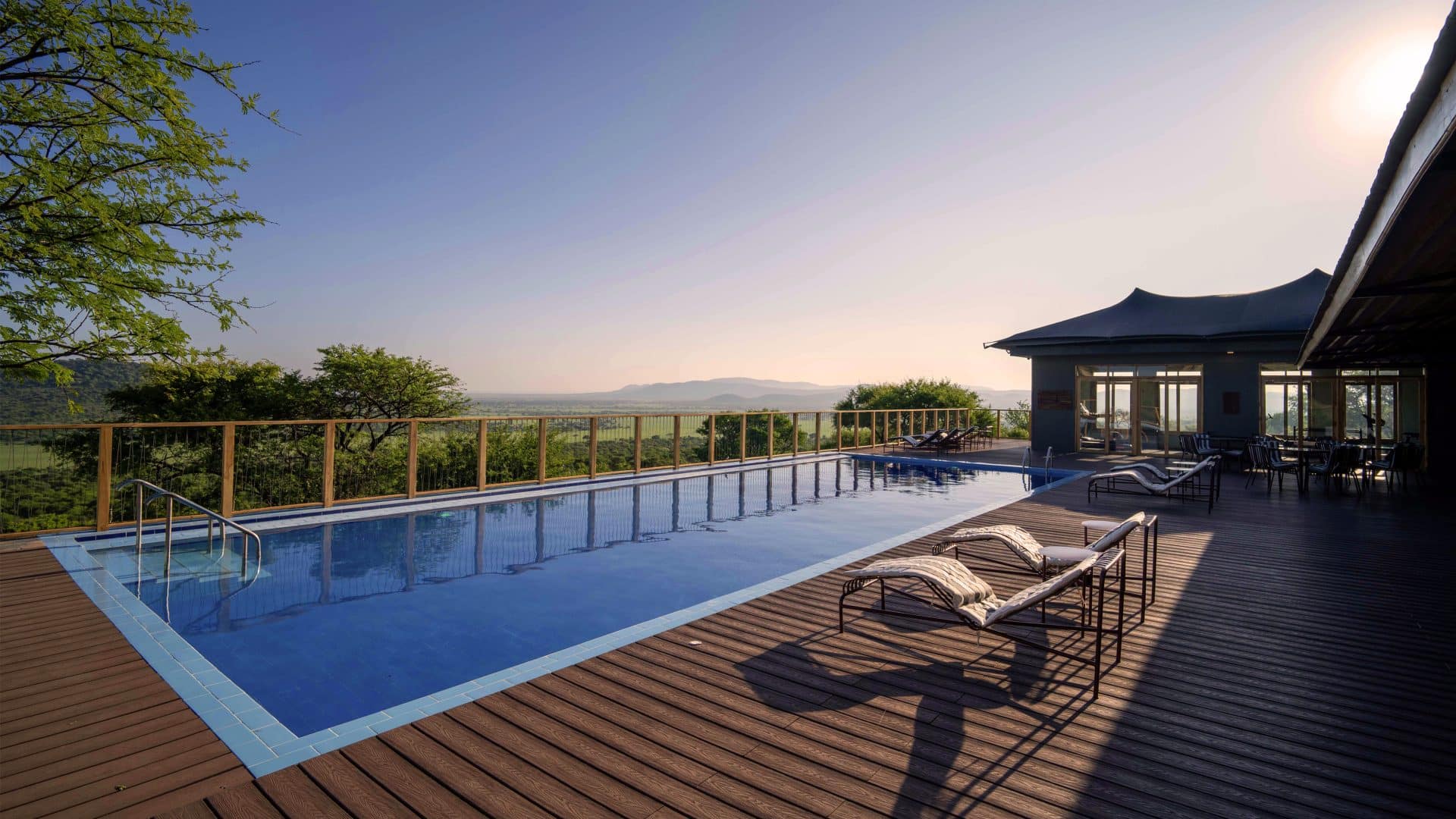
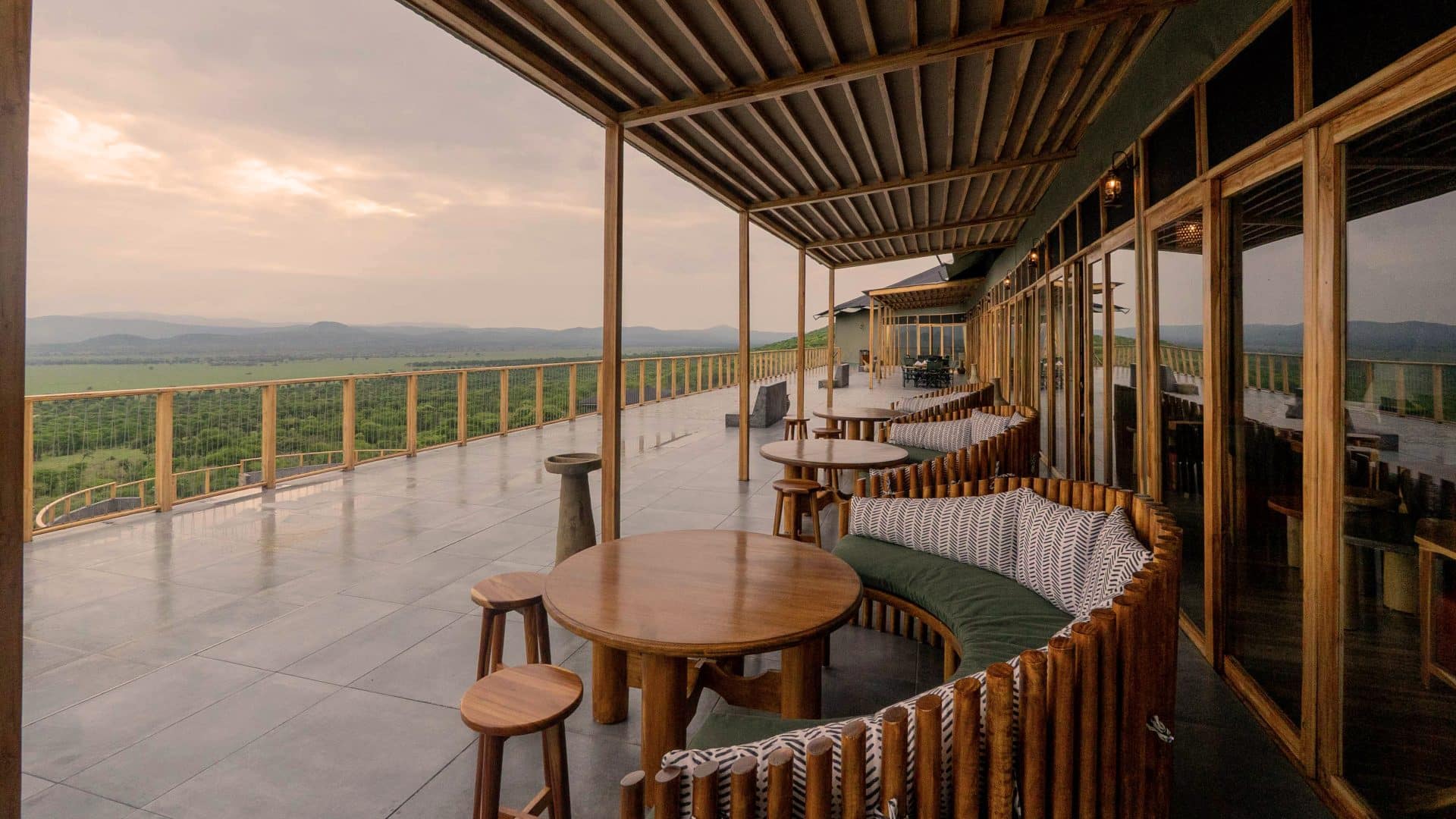
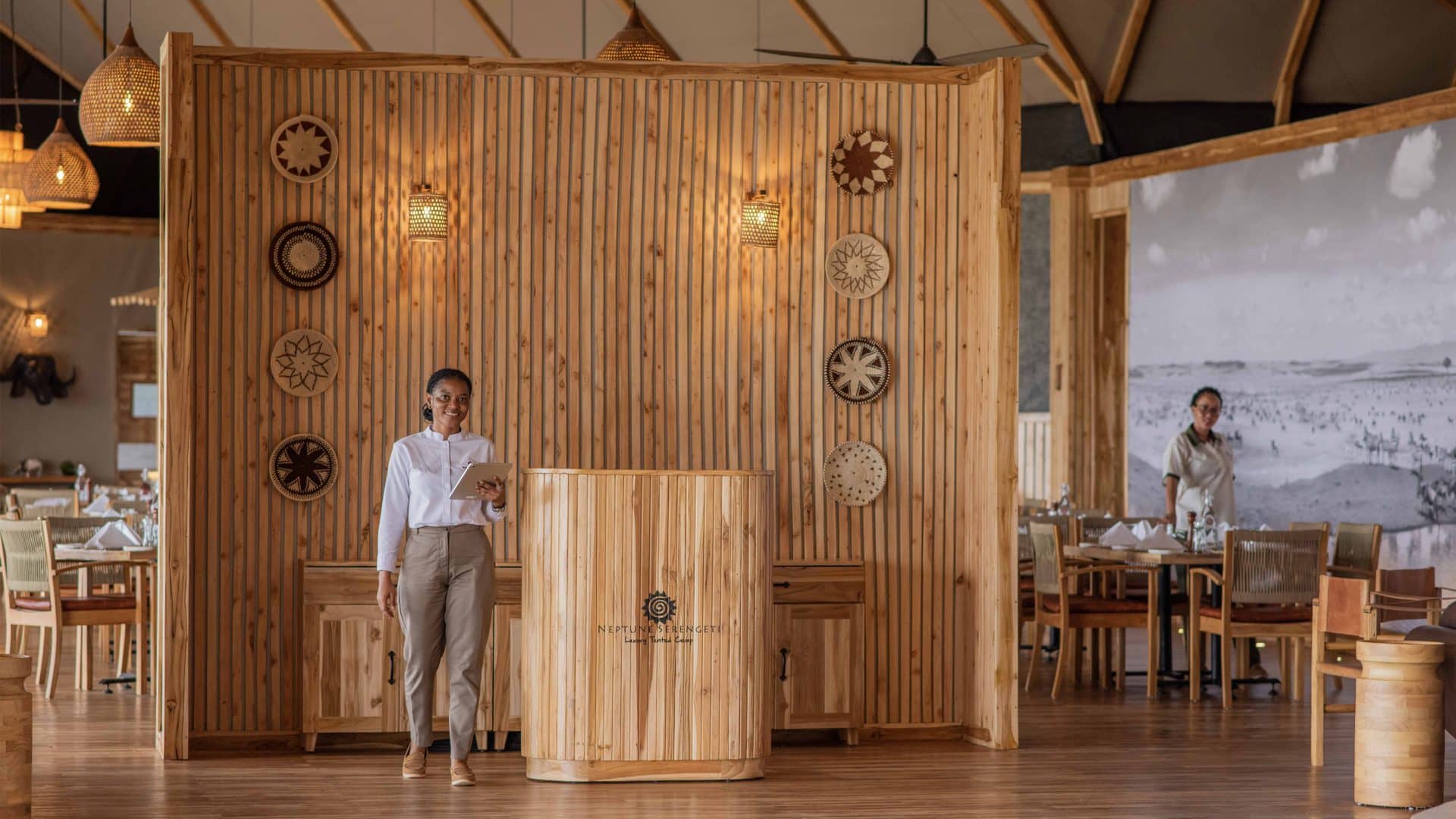
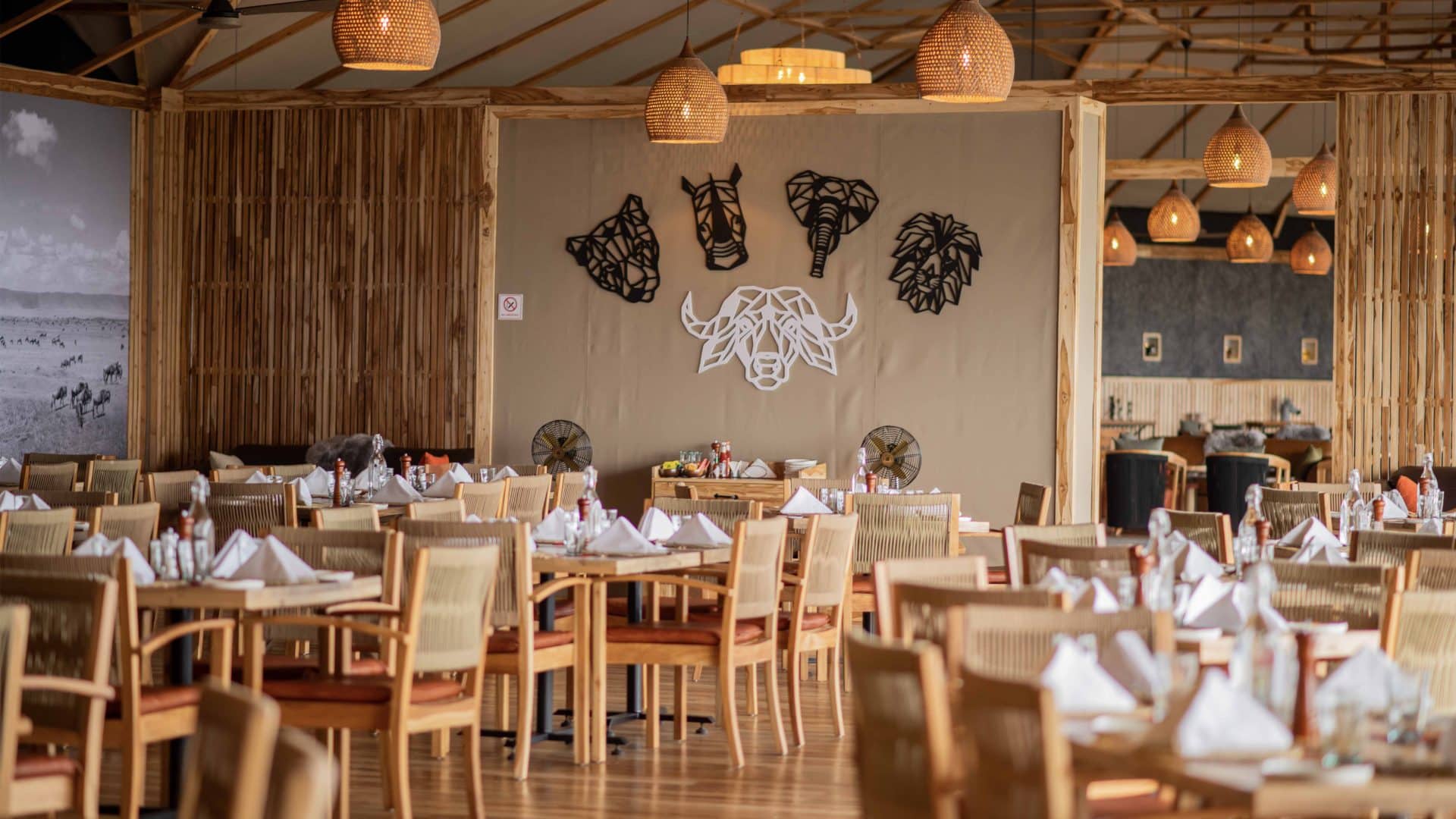
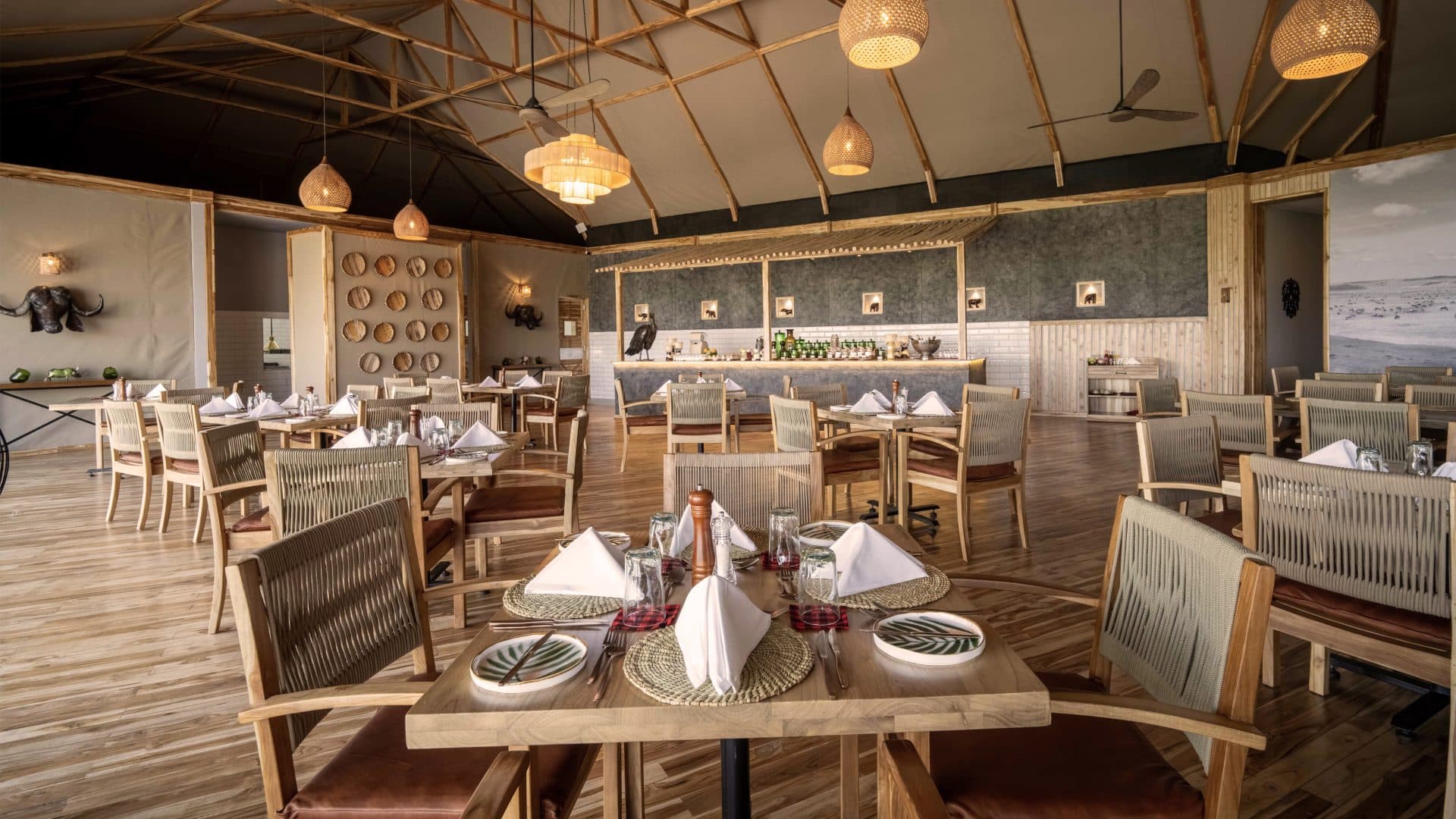
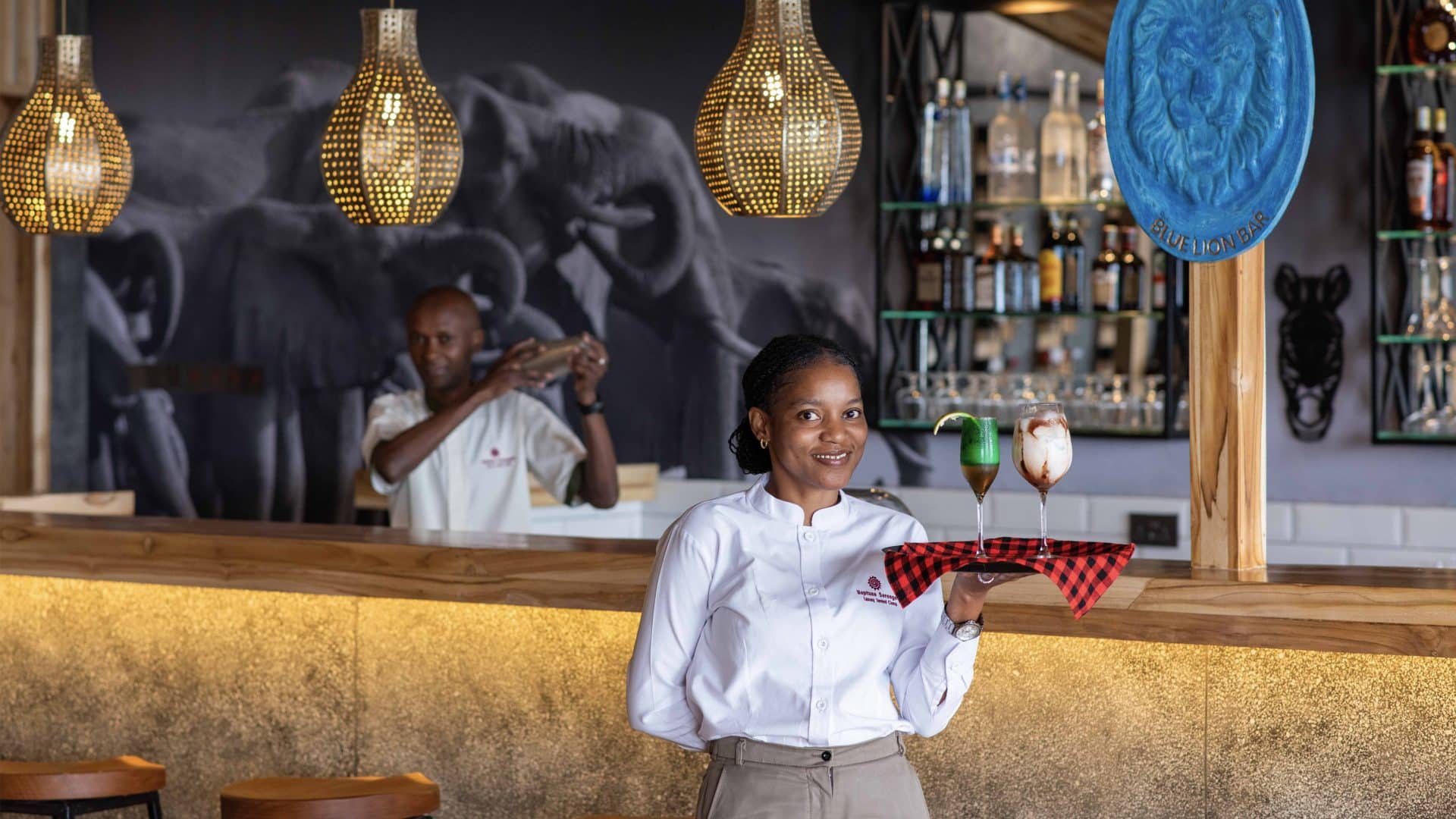
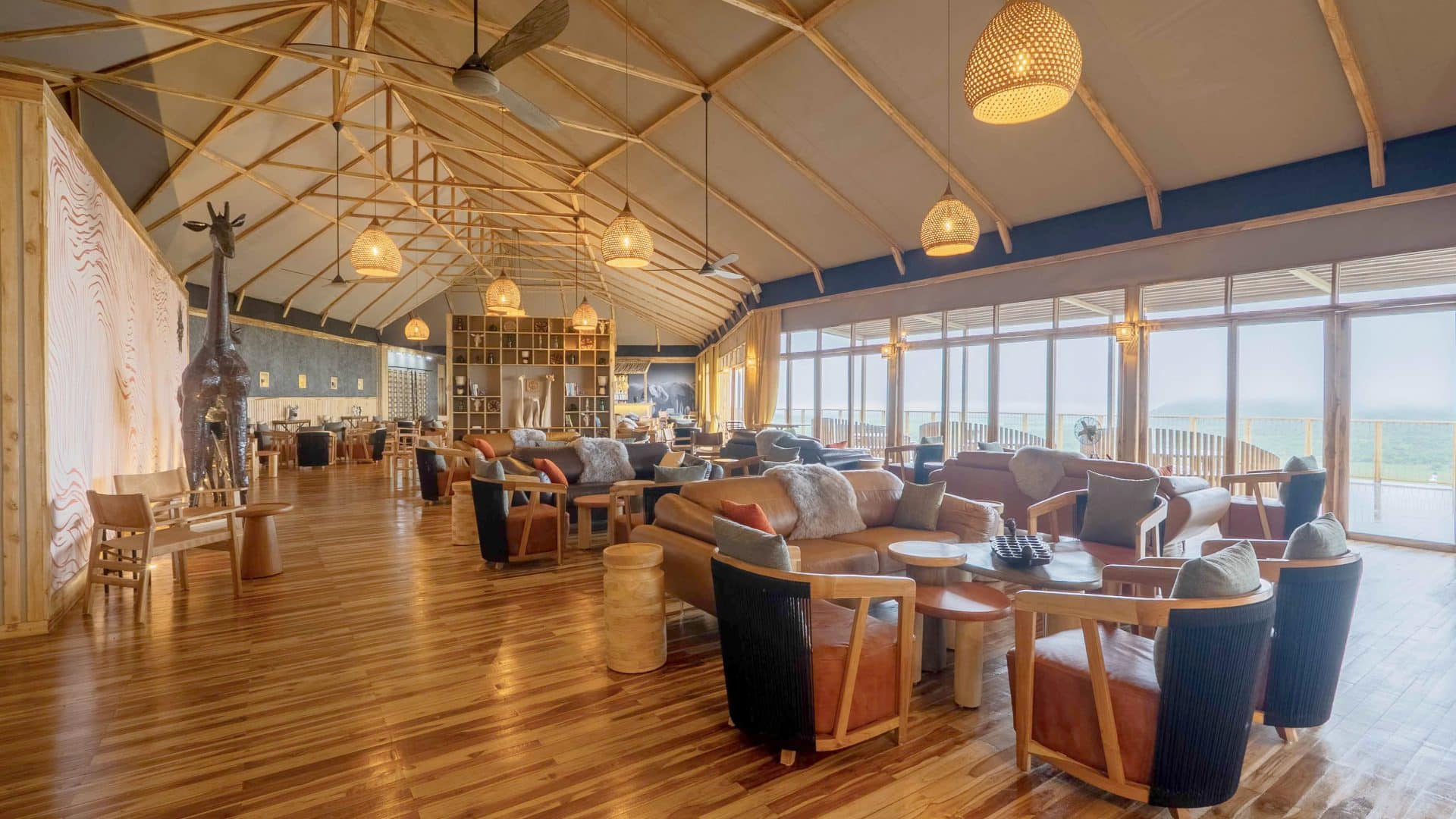
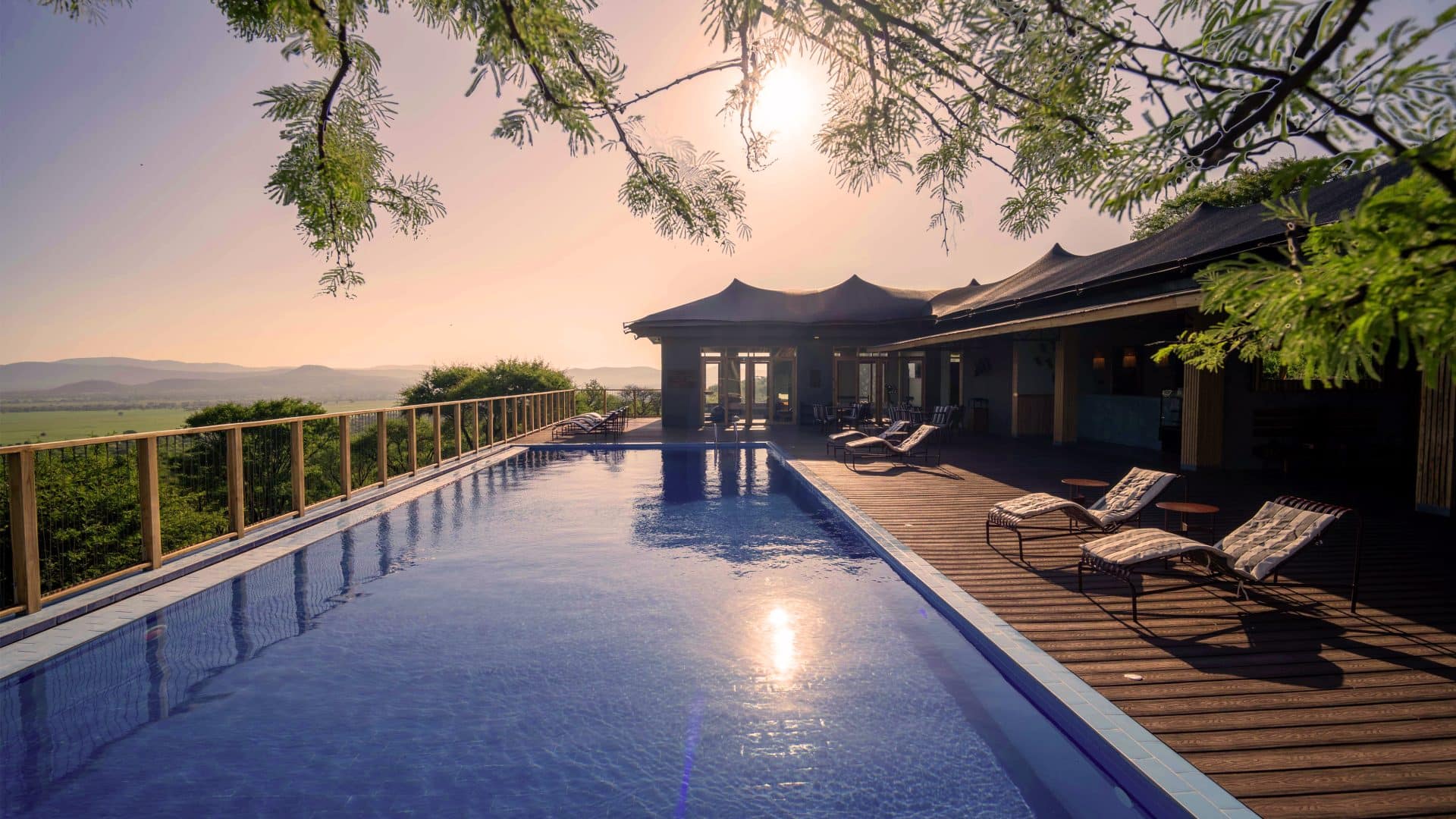
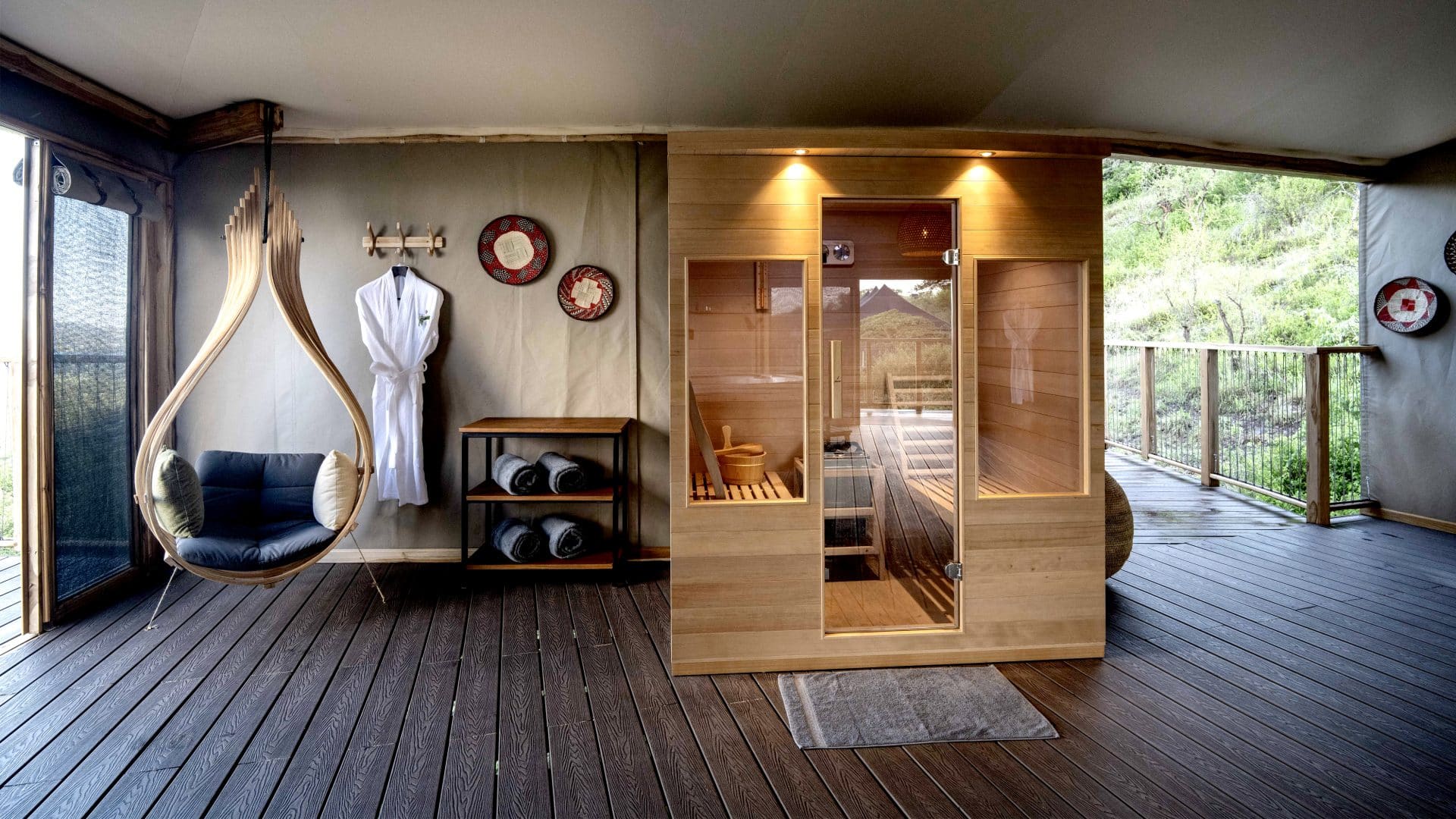
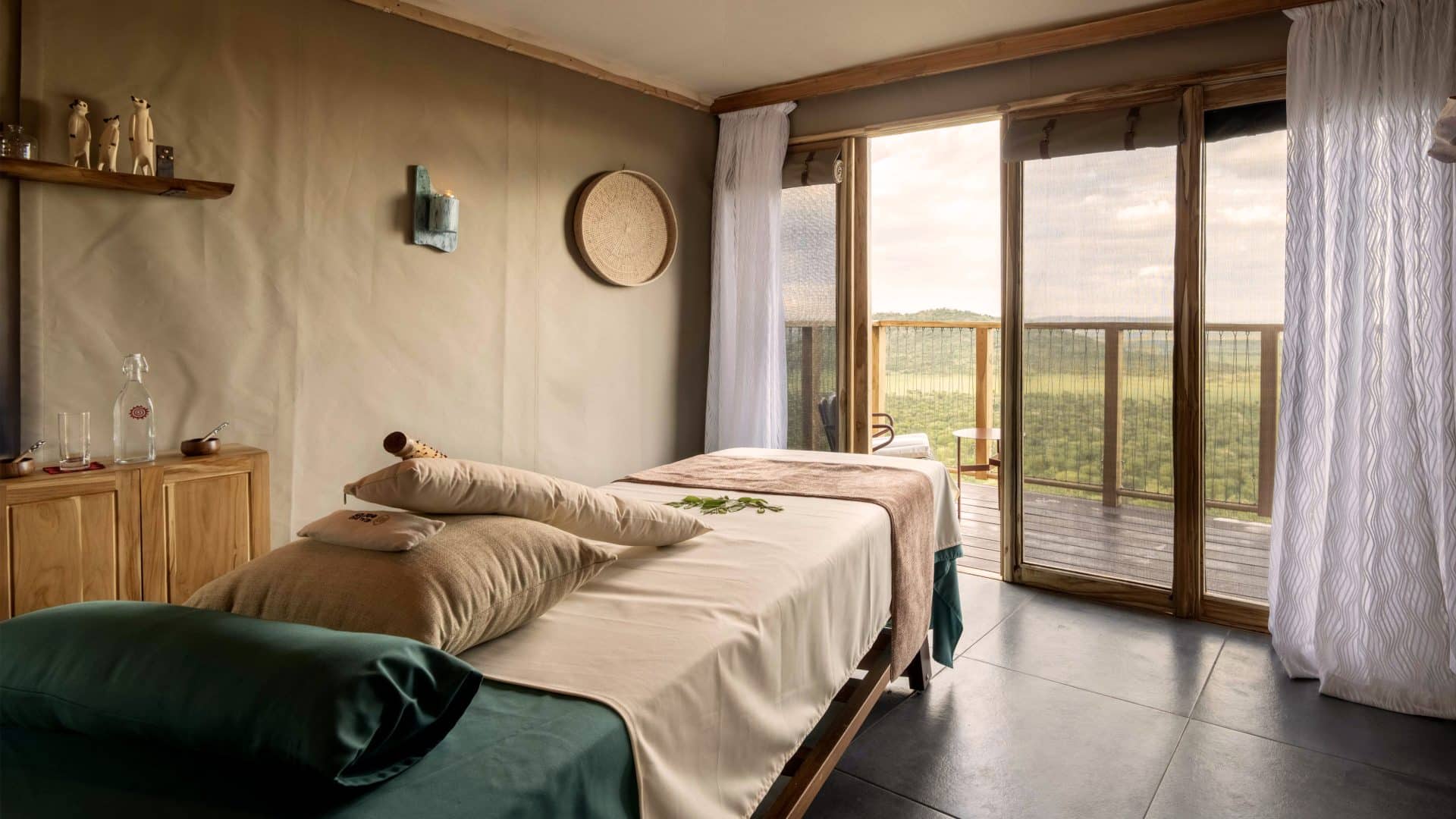
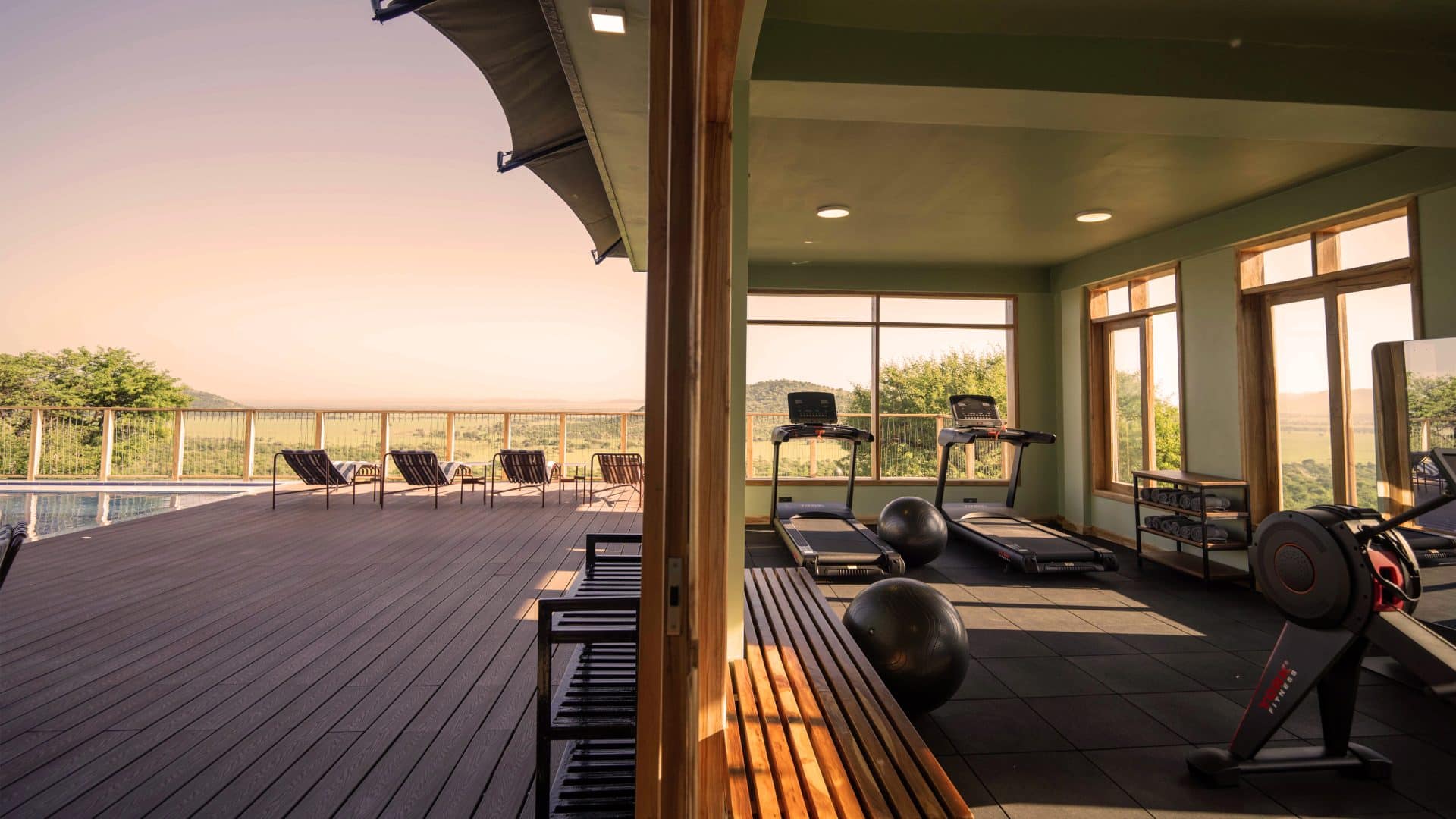
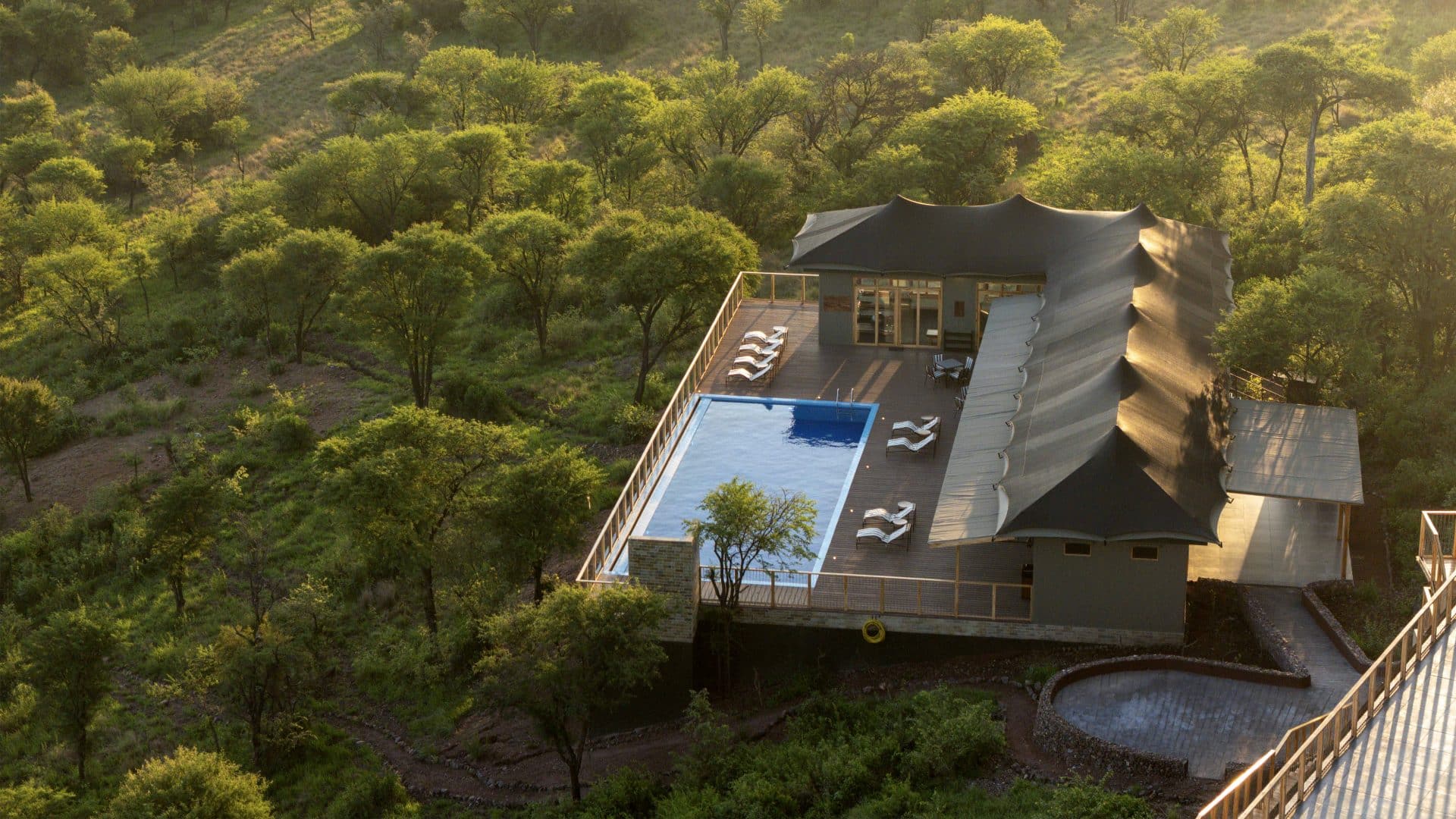
The main areas are more resort than bush camp: a swimming pool looking out over the plains, the Acacia restaurant with an indoor dining room and outdoor terrace, a second plant-based restaurant called Sweetwater, the Blue Lion Bar, a modern gym with an instructor, and the Earth and Rain Spa, where treatments use honey, raw sugar, native plants, spices, and mineral salts. Meals are à la carte and the camp is all-inclusive, with house wines, local beer, cocktails, and selected spirits served from late morning to midnight. Much of the produce comes from the camp’s own vegetable garden and nearby villages. At 20 tents, it is a mid-sized camp with a full-service feel, well suited to guests who want a generous room and a pool and spa to come back to after a long day on the plains.
The Western Hills of the Central Serengeti
Neptune Serengeti sits on a hilltop about 20 km (12 miles) west of Seronera, on the western wall of the Seronera Valley where the central plains begin to roll toward the Western Corridor. The transfer from the Seronera airstrip takes about an hour by safari vehicle, with game viewing the whole way.
- Makoma Hill at the Doorstep: The lodge is on the Makoma side of the valley, so the Makoma Plain, the Thatch Kopjes, and the Makoma lion pride are the first stop of the morning rather than a destination.
- Seronera in Under an Hour: The Seronera River, Retina Hippo Pool, and the Maasai Kopjes are all within a comfortable morning’s drive to the east.
- A Quiet Side of Central: The hills west of Seronera see far fewer vehicles than the valley floor, and the camp itself is well off the main tracks. Guests should plan on full days out with a picnic lunch to make the most of the circuit.
- Migration Timing: The herds pass through this western side of Central in May and June on their way to the Western Corridor and again in November and December heading south, with the Moru and Seronera areas holding them longest.
- Getting There: On our green season itineraries, guests fly directly into the Seronera airstrip and transfer by road, then continue on to the eastern and southern Serengeti and the Ngorongoro Crater. On dry season itineraries, guests arrive by road from the North Serengeti via Seronera; allow a long game-viewing day for the drive.
The camp is unfenced. Hyenas calling below the terraces at night and buffalo and impala grazing within sight of the tents are routine.
Predator Country on Both Sides of the Valley
Neptune Serengeti puts you on the western edge of the richest predator country in Africa, with Makoma Hill next door, the Seronera Valley a short drive east, and two of the Serengeti’s great full-day destinations within reach.
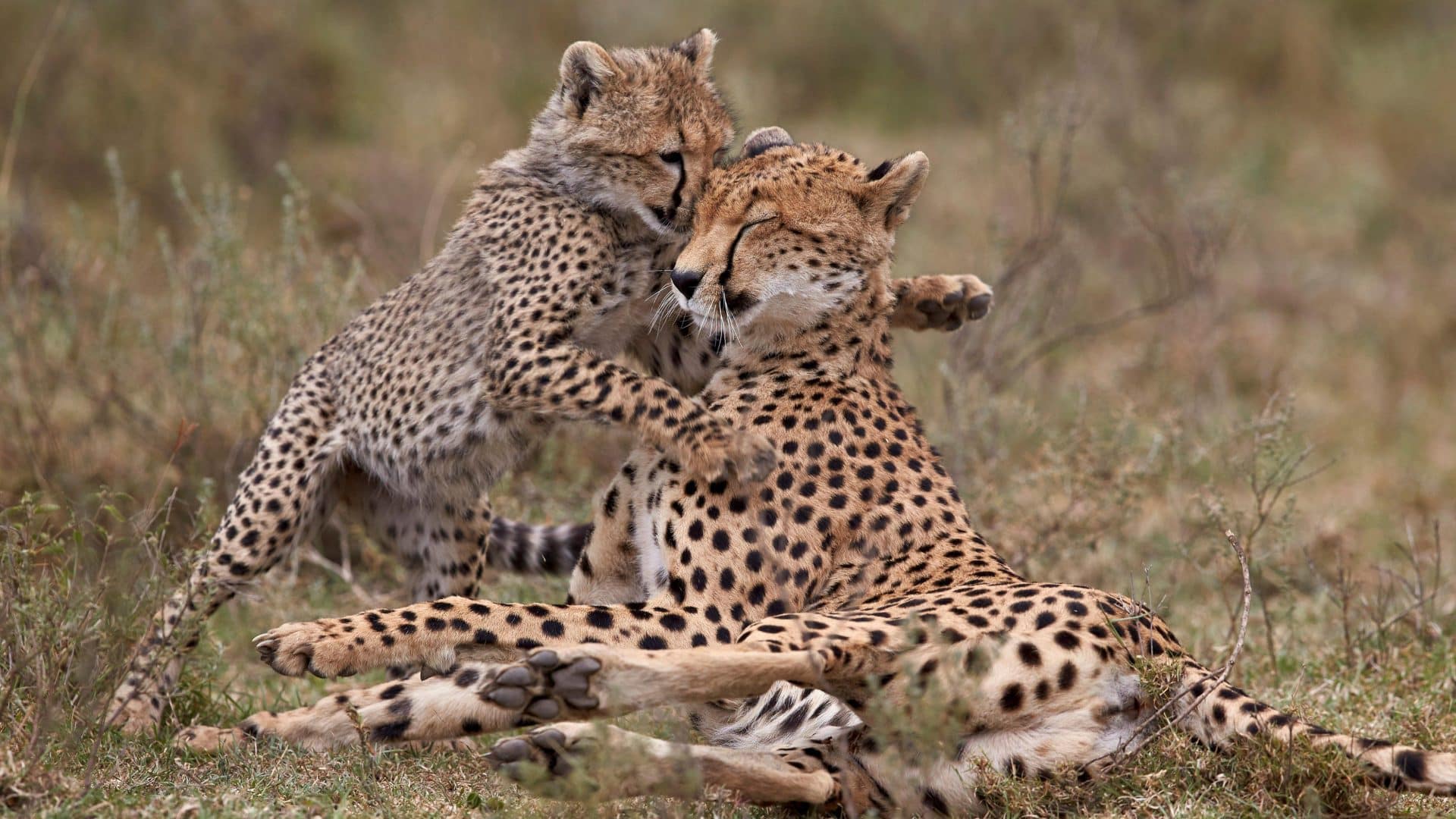
- Makoma Hill: The wooded hill on the western wall of the Seronera Valley is one of the top highlights of the central circuit and the lodge’s closest neighbor. The Makoma Plain between the hill and the river is a natural bottleneck for game moving between wet and dry season ranges, and the Thatch Kopjes in its center are the den site of the Makoma lion pride, famous for lounging in plain view and ambushing buffalo herds of 100 or more in the tall grass. Makoma is one of only eight places in the southern Serengeti with a resident cheetah population, its hyena clans are legendary for their running feud with the lions, and a hidden track behind the hill leads to one of the best private bush lunch viewpoints in the park.
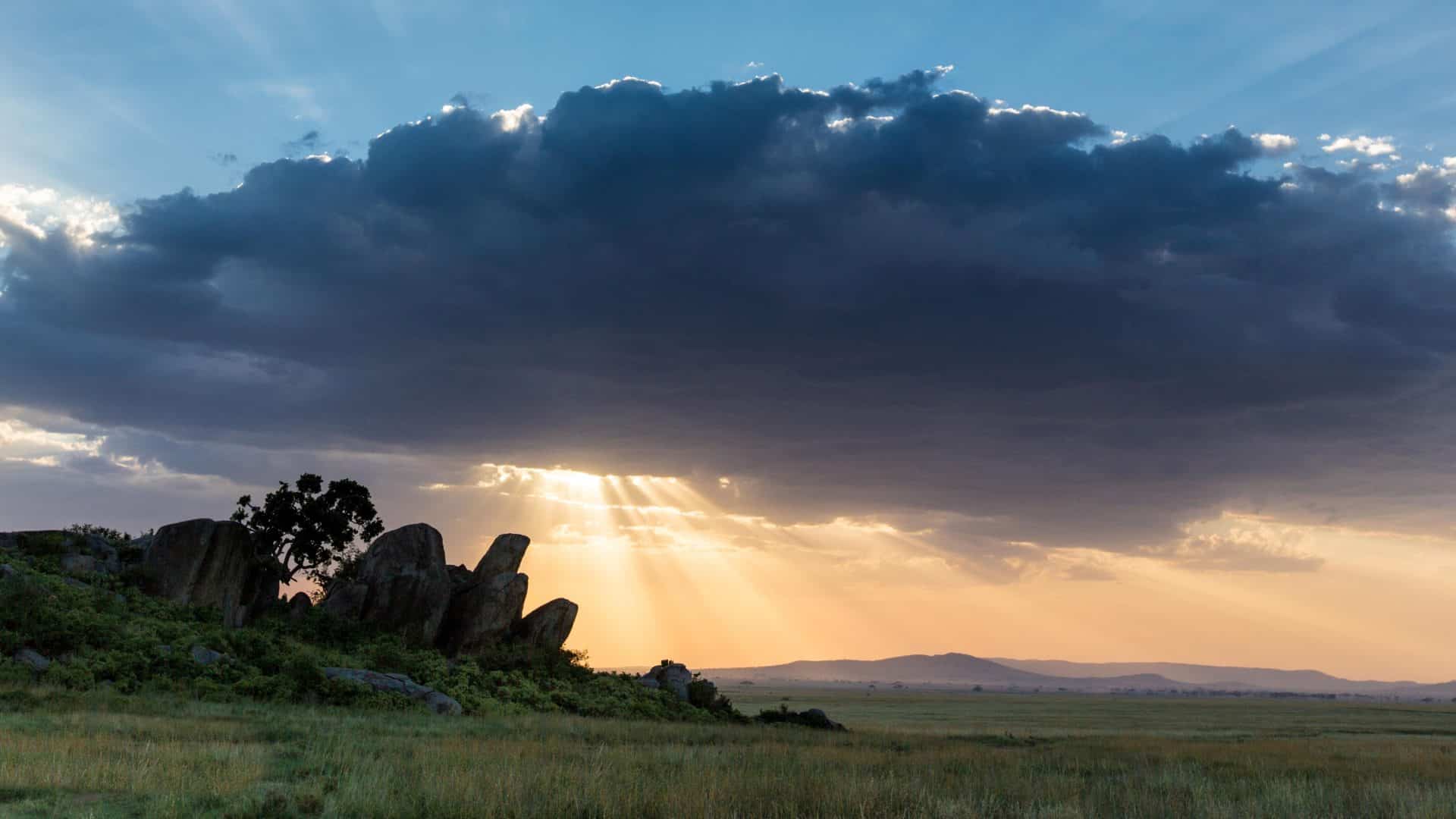
- The Seronera Valley: The valley takes its name from the Maasai word for the bat-eared fox, but it is better known as the Big Cat Capital of Africa. Its perennial rivers keep a huge resident prey population in place through every month of the year, which in turn supports the densest and most diverse concentration of predators on the continent. A single day’s drive here can realistically produce lion, leopard, cheetah, and hyena, with serval, caracal, and jackal in the supporting cast. The landscape is the quintessential Serengeti: endless golden savanna broken by ribbons of riverine forest, umbrella acacias, and granite kopjes where lions sprawl in the sun. The migration pours through twice a year, north in May and June and south in November and December.
- The Seronera River: The largest of the four green fingers that wind across the valley floor, lined with yellow-barked fever trees and sausage trees, is widely considered the best place in Africa to see leopard. A long-term study recorded one leopard per ten square miles along this river, one of the highest densities ever documented, and because the trees along the banks are relatively sparse, spotting a tail twitching from a sausage tree branch is a daily event rather than a lucky one. The riverbanks also hold the largest and most stable lion prides in the park, including the Seronera, Maasai Kopjes, Makoma Hill, and Campsite prides, studied continuously since 1966 by the Serengeti Lion Project. Hippo, crocodile, waterbuck, and reedbuck live along the pools.
- Retina Hippo Pool: North of Seronera, the Seronera and Orangi rivers converge in a deep, swirling basin that is the hippo headquarters of the Serengeti, with roughly 200 animals huddled together. It is one of the few places in the park where you can step out of the vehicle: a natural viewing bank ten feet above the water puts you a few yards from the pod, close enough to hear the squabbles and smell the pool. Nile crocodiles bask on the far shore, elephant families drink along the quieter stretch to the west, and the riverine forest is busy with baboons, grey crowned cranes, lilac-breasted rollers, and kingfishers.
- The Maasai Kopjes: Standing like sentinels at the eastern entrance to the valley, these towering stacks of two-billion-year-old granite are home base for the Maasai lion pride, one of the largest and most studied prides on Earth. The lionesses use the crests to survey the plains and the swamp below as an ambush site for prey coming to drink. The swamp on the south side is also the best place in the park to find the rare bohor reedbuck, and the rocks themselves teem with hyrax, mongoose, porcupine, and electric-blue agama lizards. Leopard and cheetah stage ambushes in the vicinity.
- Moru Kopjes (Full Day): South of the lodge, 45 square miles of smooth granite monuments and candelabra euphorbia trees rise out of golden grassland in what Kay Turner called the most beautiful scenery in the Serengeti. Moru is the park’s last stronghold of the black rhino, a population rebuilt from two survivors after a bull named Rajabu walked 70 miles from the Ngorongoro Crater to find them, and now numbering around 19 under round-the-clock protection. A short climb leads to the Maasai rock paintings and Gong Rock, a boulder that rings like a bell when struck. Lake Magadi draws flamingos and ambushing lions, elephants climb the kopjes, and in May the migration stalls here for the wildebeest rut. From the western hills, Moru is a natural full day with a picnic lunch, and the drive south along the edge of the plains is excellent game country in its own right.
- Sametu Marsh and Kopjes (Full Day): On the far eastern side of the valley, on the remote edge of the short-grass plains, Sametu is widely regarded as one of the top three highlights of the entire Serengeti, and few vehicles ever reach it. A cluster of granite island-kopjes rises from a flat sea of grass with a permanent spring-fed marsh at its feet, the only year-round water for miles and a magnet for cheetah, hartebeest, gazelle, and warthog. The kopjes are home to the Sametu pride, the largest lion pride in the Serengeti and the subject of Jeanette Hanby’s book Lions Share; the great-great-granddaughters of the original lionesses still hold the same rocks today. From Neptune Serengeti, this is a long full day with an early start, crossing the whole Seronera circuit on the way out and back.
In Camp
Hyenas below the terraces after dark, buffalo and impala on the slopes, and the lodge’s own photo hide near a wildlife corridor for close-up photography without leaving camp.
Twenty Tents of 180 Square Meters
Neptune Serengeti has 20 luxury tents, all of one generous type, spaced along the hillside so that each terrace faces the plains without a neighbor in view.
- Luxury Tents (20): 180 square meters (about 1,940 square feet) with a separate bedroom and private lounge, a viewing terrace with sun loungers and a 180-degree view over the plains, and an en-suite bathroom with a double jacuzzi bath, double vanity, separate WC, indoor shower, and outdoor shower.
- In Every Tent: 24-hour solar power, free WiFi, in-room safe, in-room coffee, tea, and hot chocolate, in-room dining on request, and handcrafted local furnishings. Golf carts carry guests between the tents and the main areas.
- Families: Bed configurations and interconnecting options to be confirmed with the lodge; ask us about the best tents for families.
- All-Inclusive Dining and Bar: À la carte breakfast, lunch, and dinner at the Acacia restaurant, afternoon tea at the pool or lounge, and juices, soft drinks, selected wines, local beer, cocktails, and selected spirits at the Blue Lion Bar from 11 am to midnight. Premium labels are extra.
- Two Restaurants: The Acacia restaurant pairs light Mediterranean dishes with local East African cuisine, with an indoor dining room and an outdoor terrace, while Sweetwater is a dedicated plant-based à la carte restaurant. Most produce comes from the camp’s own vegetable garden and nearby communities.
- Swimming Pool: A pool on the hillside with a view over the plains, with loungers, towels, and poolside dinners by reservation.
- Earth and Rain Spa: Massages, facials, and body treatments using honey, raw sugar, native plants, spices, flowers, and mineral salts, at an additional cost.
- Gym: A modern fitness center with cardio and strength equipment and an instructor, open daily from 6 am to 6 pm.
- Private Experiences: Private bush breakfasts at sunrise, bush dinners under the stars, a guided nature walk ending in a sundowner at a viewpoint, campfire sundowners, and an outdoor painting session with sweeping savanna views.
- Photo Hide: A discreet close-up photography hide positioned near a wildlife corridor by the camp.
- Practical Comforts: Free WiFi throughout, golf cart transfers within camp, in-room dining, and staff escorts between the tents and main areas after dark.
- Sister Property: Pairs naturally with Neptune Ngorongoro Luxury Lodge on the Crater highlands for guests who like to stay within one collection.
Nearby Attractions


Seasonal Highlights
| Month | Season | Weather | Wildlife Sightings | Rec. |
|---|---|---|---|---|
| Jan | Green Season | 60 - 85 F Mostly sunny with few showers |
Leopard, Lion, Giraffe, Impala, Buffalo, Hippo | Yes |
| Feb | Green Season | 60 - 85 F Mostly sunny with few showers |
Leopard, Lion, Giraffe, Impala, Buffalo, Hippo | Yes |
| Mar | Green Season | 60 - 83 F Mostly sunny with few showers |
Leopard, Lion, Giraffe, Impala, Buffalo, Hippo | Yes |
| Apr | Green Season | 60 - 83 F Mostly sunny with few showers |
Leopard, Lion, Giraffe, Impala, Buffalo, Hippo | Yes |
| May | Northward Migration | 56 - 81 F Mostly sunny |
Leopard, Lion, Giraffe, Impala, Buffalo, Hippo, Possibility of the Wildebeest Migration in mid to late May | Yes |
| Jun | Beginning of Dry Season | 56 - 81 F Mostly sunny |
Wildebeest Migration, Zebra Migration, Thomson's Gazelle Migration, Cheetah, Leopard, Lion, Giraffe, Buffalo, Hippo | Yes |
| Jul | Dry Season | 60 - 83 F Mostly sunny |
Thomson's Gazelle Migration, Cheetah, Leopard, Lion, Giraffe, Impala, Buffalo, Hippo | No |
| Aug | Dry Season | 55 - 81 F Mostly sunny |
Thomson's Gazelle Migration, Cheetah, Leopard, Lion, Giraffe, Impala, Buffalo, Hippo | No |
| Sep | Dry Season | 55 - 81 F Mostly sunny |
Thomson's Gazelle Migration, Cheetah, Leopard, Lion, Giraffe, Impala, Buffalo, Hippo | No |
| Oct | Dry Season | 60 - 83 F Mostly sunny |
Thomson's Gazelle Migration, Cheetah, Leopard, Lion, Giraffe, Impala, Buffalo, Hippo | No |
| Nov | Southward Migration | 60 - 83 F Mostly sunny with few showers |
Leopard, Lion, Giraffe, Impala, Buffalo, Hippo, Wildebeest Migration, Zebra Migration | Yes |
| Dec | Beginning of Green Season | 60 - 83 F Mostly sunny with few showers |
Leopard, Lion, Giraffe, Impala, Buffalo, Hippo | Yes |
Nearby Lodges


What are you waiting for?
Create Your Own Itinerary
Receive instant day-by-day trip details designed just for you including rates, seasonal highlights, guest testimonials, photos & more!
Get In Touch
Our Safari Specialists Are Ready to Help Kickstart Your Adventure
Toll-Free
US Office
609 Deep Valley Drive, Suite 200, Rolling Hills Estates, CA 90274
Hours: Daily 8AM - 8PM PST
Drop Us A Line
Leave your contact info below