Serengeti Cheetah Project: Protecting the Ghost of the Plains






The Biology of Speed
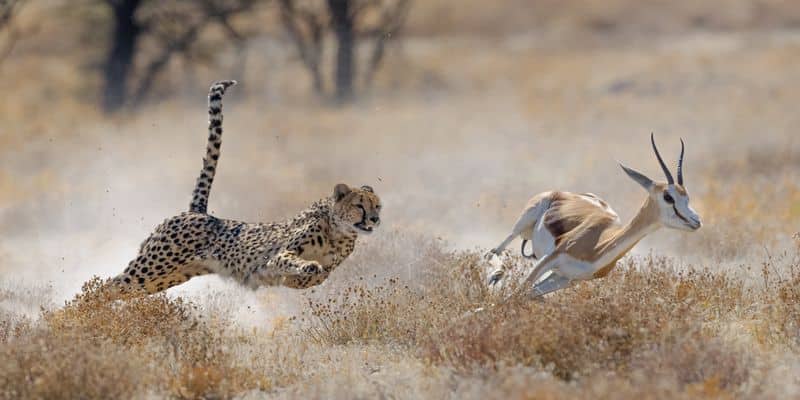
The cheetah (Acinypher jubatus) is a marvel of biological engineering. Unlike the “bruiser” build of a lion, the cheetah is a “sprinter.”
Anatomy of a Sprints: Every part of the cheetah is built for speed—non-retractable claws act like running spikes for traction; a long, heavy tail acts as a rudder for sharp turns; and enlarged nostrils and lungs allow for massive oxygen intake.
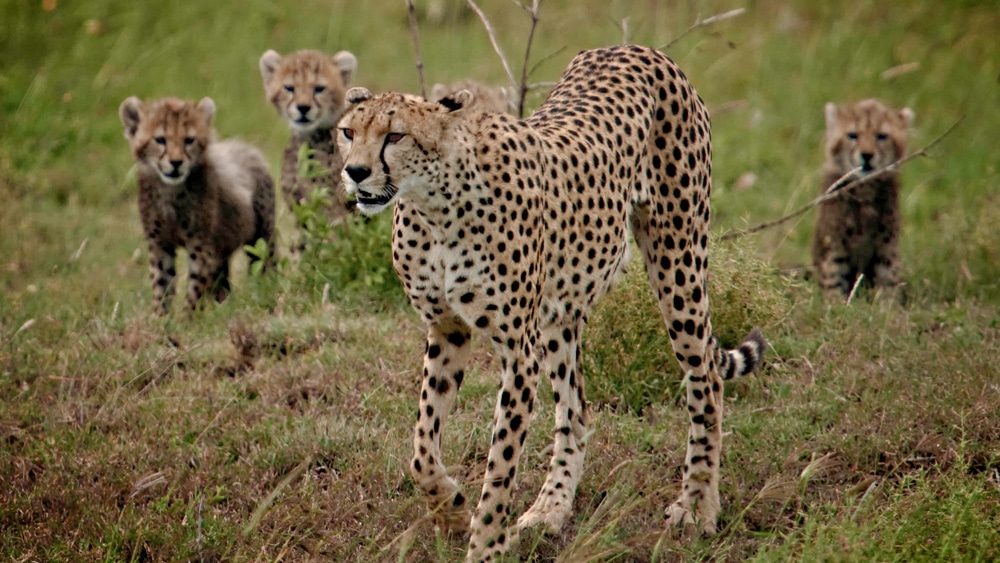
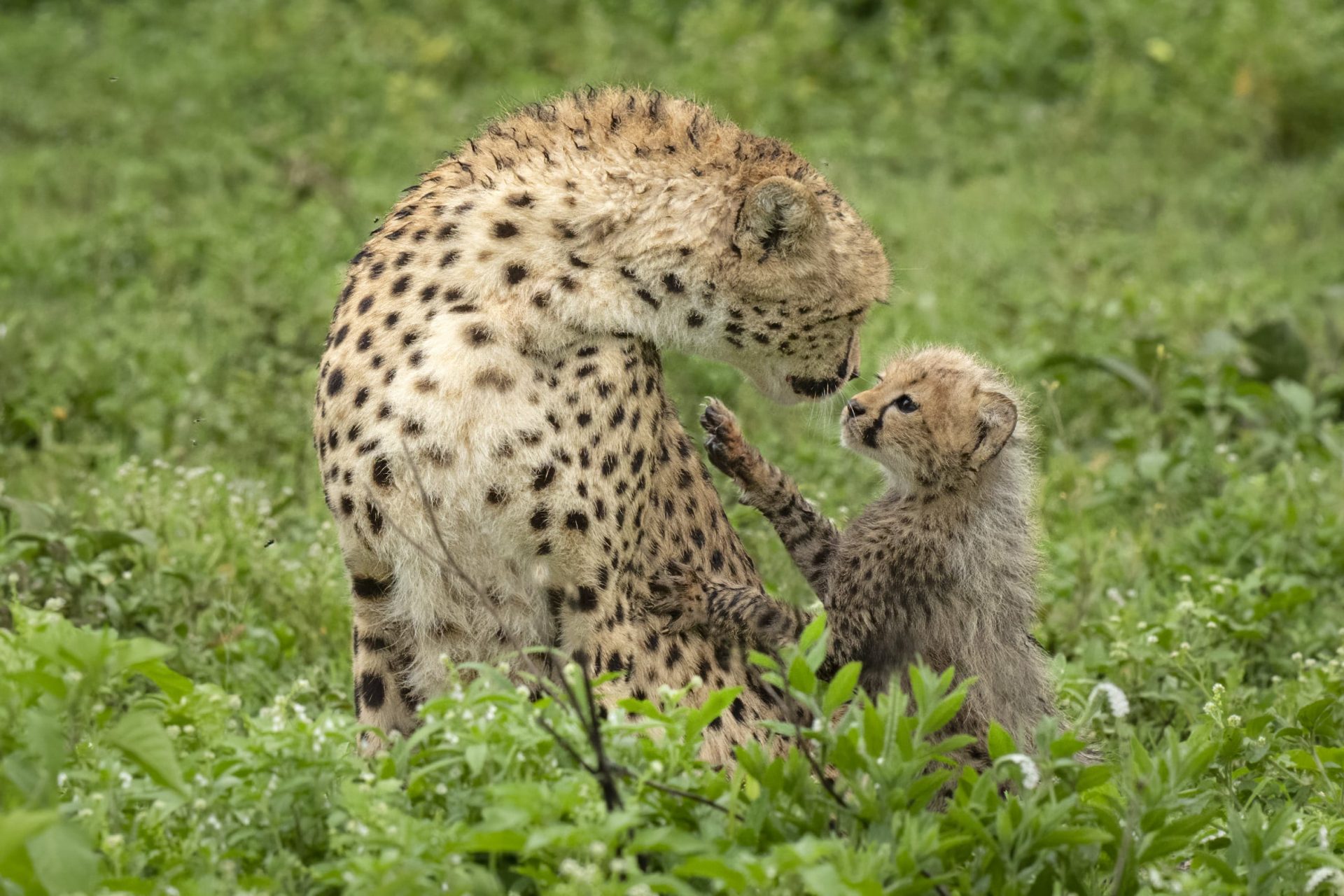
Social Structure: Females are solitary, raising cubs alone in the vast plains. Males, however, often form “legal coalitions” with their brothers to defend territories, a unique trait among small-to-medium cats.
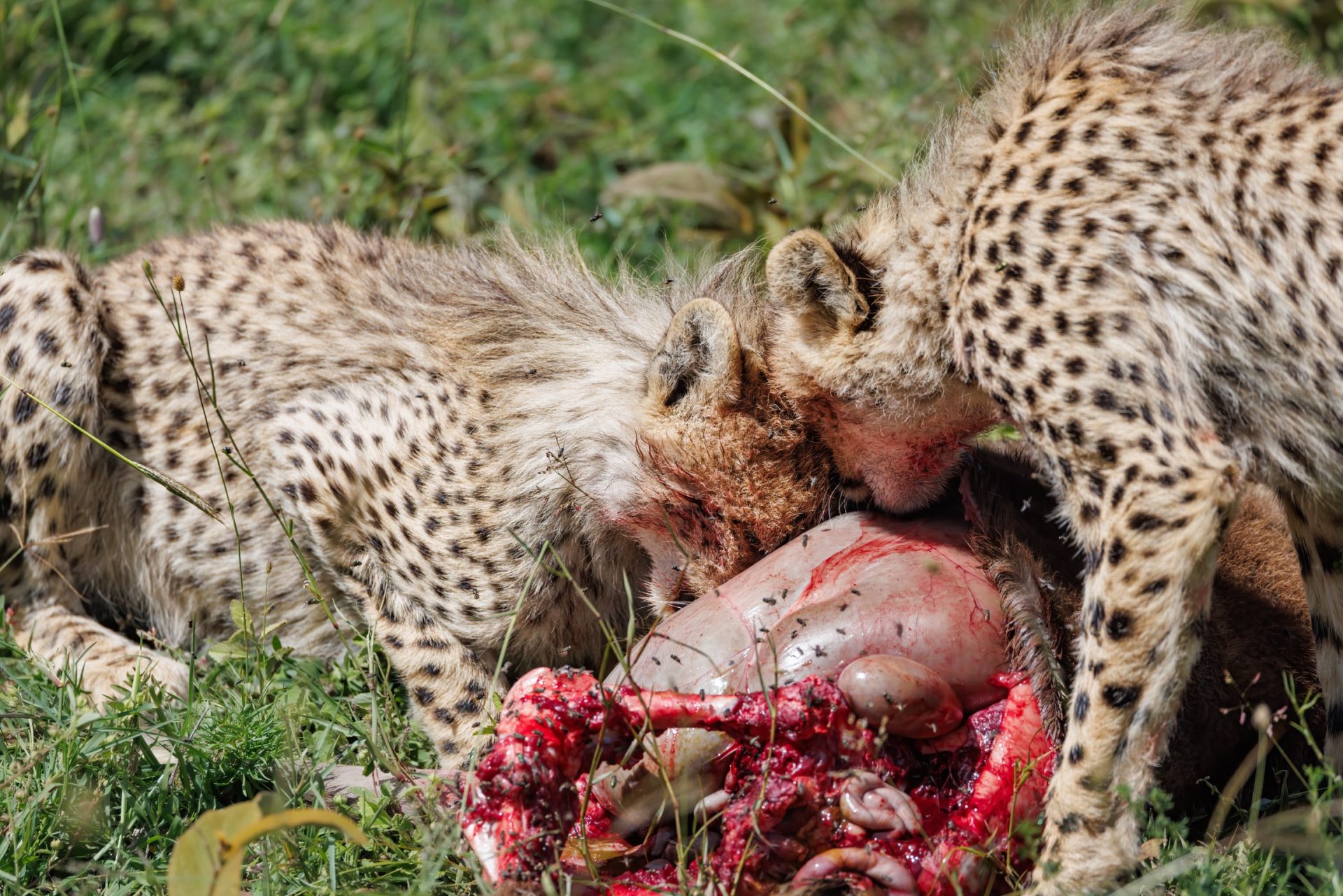
Diurnal Strategy: To avoid competition with larger lions and hyenas, cheetahs hunt during the day (diurnal), relying on their extraordinary eyesight.
Conservation Status
Initiated in 1974 by George and Lory Frame, this project was born when virtually nothing was known about cheetahs in the wild. Today, the project focuses on the approximately 210 cheetahs remaining in the Serengeti Ecosystem. Because cheetahs have low genetic diversity and face high cub mortality from other predators, this demographic data is the only thing standing between them and extinction. Africa Dream Safaris is proud to be a funder of these conservation efforts.